





What's Happening?
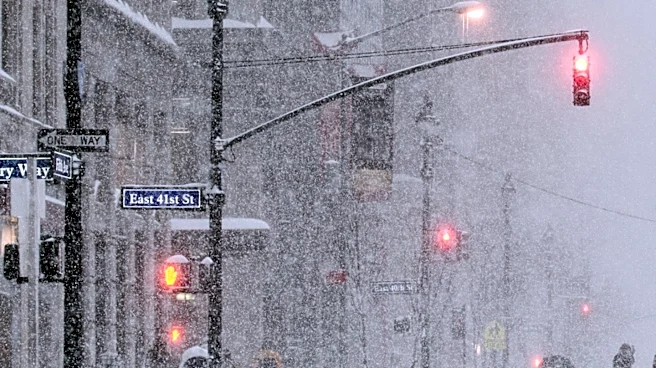
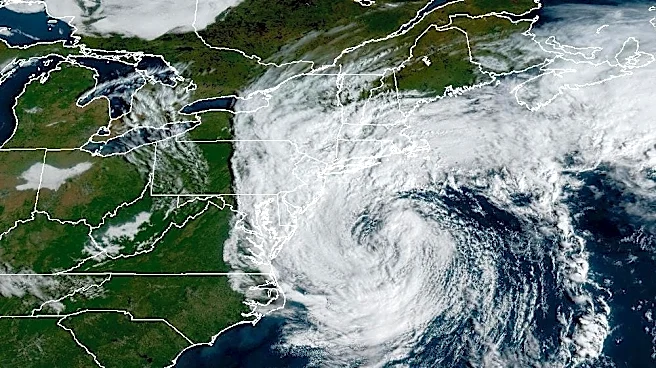
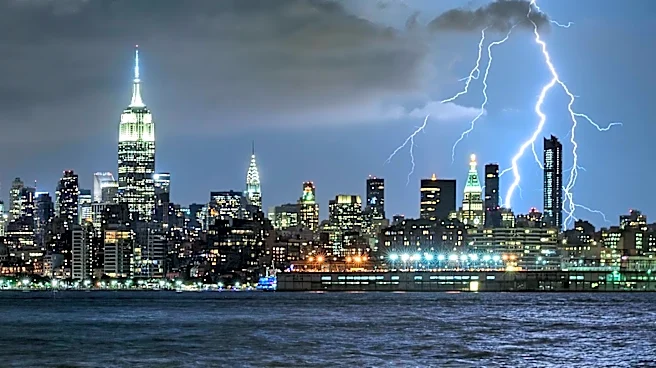
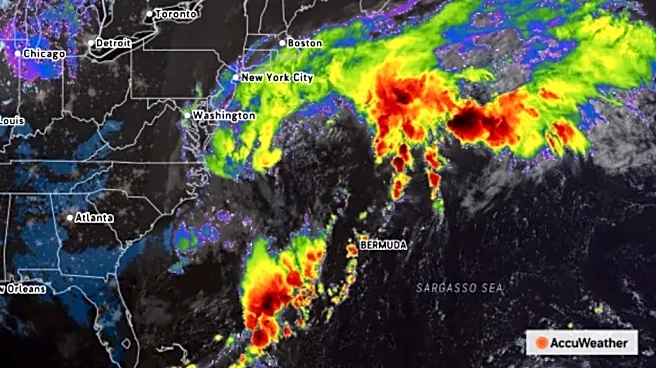
Governor Kathy Hochul has declared a State of Emergency for Long Island, New York City, and Westchester County in response to a potent coastal storm. The storm, which began impacting the region with rain, strong winds, and storm surges, is expected to intensify
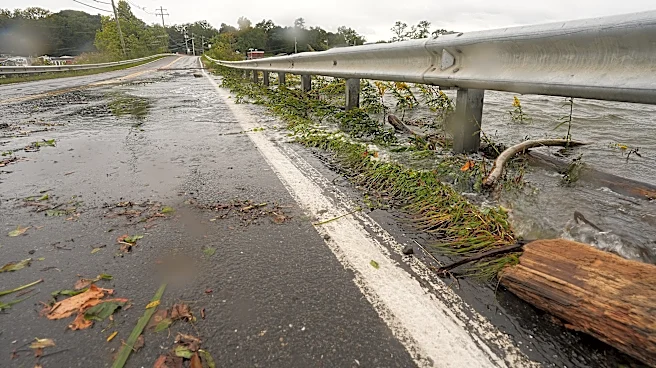
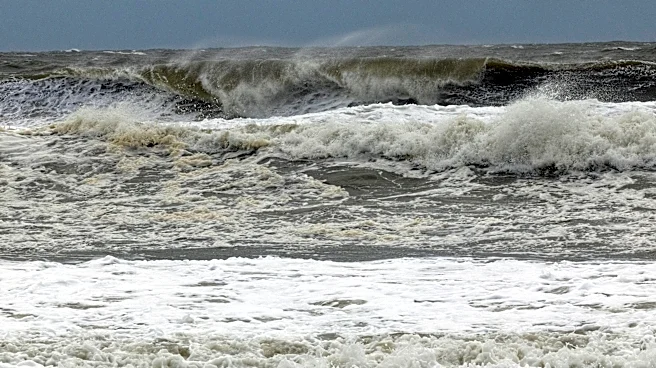
over the next day. High winds, potentially reaching up to 60 miles per hour, are causing power outages and dangerous surf, with the potential for coastal and isolated flooding. The State Emergency Operations Center has been activated, and emergency management field teams are coordinating with local partners. The Governor has cautioned residents, particularly those in shoreline and low-lying coastal communities, to take necessary precautions. As of the briefing, approximately 22,000 power outages have been reported across New York, with more expected. Coastal flooding warnings are in effect, with the worst flooding anticipated during high tides, which may be exacerbated by a full moon. Waves as tall as 20 feet are expected in some areas.
Why It's Important?
This declaration highlights the significant threat posed by severe weather events to densely populated coastal regions in the U.S. The potential for widespread power outages, coastal flooding, and dangerous conditions directly impacts public safety, infrastructure, and local economies. The activation of the State Emergency Operations Center and the deployment of resources underscore the critical role of state-level coordination in disaster response. Businesses in affected areas face disruptions, and residents may experience property damage and displacement. The emphasis on staying away from the water and securing outdoor items reflects the immediate dangers to individuals. The event also serves as a reminder of the economic burden associated with storm recovery and the importance of robust emergency preparedness measures for both government agencies and the public.
What's Next?
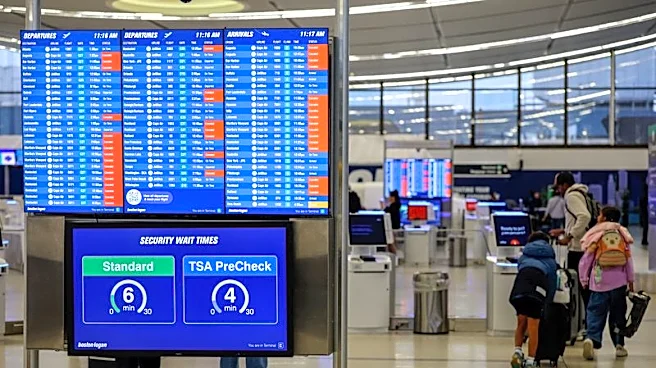
The storm is expected to continue and intensify over the next day, with winds potentially reaching up to 60 miles per hour. Emergency services, including swift water rescue teams, DOT personnel, and utility workers, are pre-positioned and ready to respond to damage, clear debris, and restore power. Transportation agencies, such as the MTA and Port Authority, are monitoring the situation, with potential delays and cancellations for air travel expected to increase. Residents are advised to continue monitoring local forecasts, stay vigilant, and take precautions against power outages and flooding. The state will continue to coordinate with local authorities to ensure support for affected communities. The full extent of the storm's impact, including power restoration timelines and recovery efforts, will become clearer as the weather system progresses.
Beyond the Headlines
The ongoing severe weather event in New York underscores broader challenges related to climate patterns and urban resilience. The mention of the storm's intensity and the potential for high tides, possibly influenced by a full moon, highlights the complex interplay of natural phenomena. This event could prompt further discussions on long-term infrastructure investments to mitigate the effects of coastal erosion and rising sea levels. The call for New Yorkers to look out for each other, especially the elderly, emphasizes the social fabric's role in community resilience during crises. Furthermore, the economic impact on local businesses and the tourism sector, particularly during what is typically a 'glorious' early autumn, could be substantial, leading to calls for enhanced disaster relief and recovery programs.