



What's Happening?
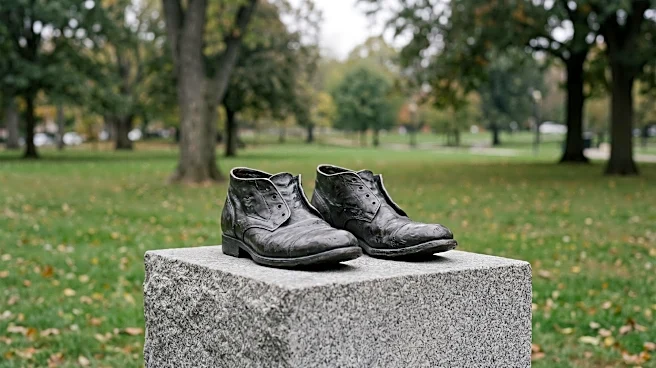
Staten Island, New York, has become the first location in the United States to join the Global Irish Famine Way (GIFW) with the dedication of the Irish Famine Memorial and the unveiling of the first Global Irish Famine Way Bronze Shoes monument. This
ceremony commemorates the more than 8,000 Irish Famine victims believed to be buried on Staten Island. These individuals arrived at the Marine Hospital Quarantine Station in St. George after enduring hunger, disease, and a perilous Atlantic crossing, only to perish upon arrival. The event included a consecration of the ground by Bishop Byrne, establishing a solemn place of remembrance. Cároilín Callery, International Convenor of the Global Famine Way, emphasized the importance of connecting Famine sites in Ireland with places where Irish emigrants sought refuge. Professor Christine Kinealy, Director of Ireland’s Great Hunger Institute at Quinnipiac University, also spoke, highlighting the historical significance of the Famine and the experiences of those who journeyed to America. The Irish Ambassador to the United States, Geraldine Byrne Nason, formally unveiled the Bronze Shoes, which serve as the international symbol of the Global Irish Famine Way.
Why It's Important?
The establishment of the Global Irish Famine Way monument on Staten Island holds significant cultural and historical importance for the Irish diaspora in America. It provides a tangible connection for descendants seeking to understand their ancestors' journeys and ensures that the experiences of those who arrived on Staten Island during the Great Famine are permanently remembered. This initiative helps to preserve a critical chapter of Irish and Staten Island history, fostering a deeper understanding of the challenges faced by Irish emigrants. The monument serves as a lasting bridge between Ireland and the Irish diaspora, honoring the suffering, courage, and hopes of those who sought new lives in America. By joining the GIFW, Staten Island contributes to an international heritage trail, reinforcing the global recognition of the Famine's impact and the subsequent migration that shaped communities worldwide, including the United States.
What's Next?
The Staten Island monument is expected to become a focal point for remembrance and education regarding the Irish Famine and its impact on American immigration. Future efforts will likely focus on promoting the site as a historical landmark and integrating it into educational programs to inform new generations about this significant period. The Global Irish Famine Way will continue to expand, connecting more sites globally where Irish emigrants settled, further solidifying the international recognition of the Famine's legacy. The Staten Island Irish Famine Memorial Committee, led by Lynn Rodgers, will likely continue its work in maintaining the memorial and organizing events to honor those who rest there. This initiative may also inspire other U.S. communities with historical ties to Irish immigration to explore similar commemorative projects, further enriching the narrative of the Irish diaspora in America.
Beyond the Headlines
Beyond its immediate commemorative purpose, the Staten Island monument highlights broader themes of migration, resilience, and the enduring impact of historical trauma on identity. The story of the Irish Famine emigrants arriving on Staten Island, only to perish, underscores the harsh realities faced by many immigrants seeking refuge and a new life. It prompts reflection on the ethical responsibilities of host nations and the often-overlooked human cost of mass migration. The monument also serves as a powerful reminder of the importance of historical memory in shaping contemporary understanding of cultural heritage and intergroup relations. By acknowledging this painful past, communities can foster empathy and a more nuanced appreciation of the diverse origins that constitute American society. The Global Irish Famine Way, through its international scope, emphasizes the interconnectedness of global histories and the shared human experience of displacement and survival.