





What's Happening?
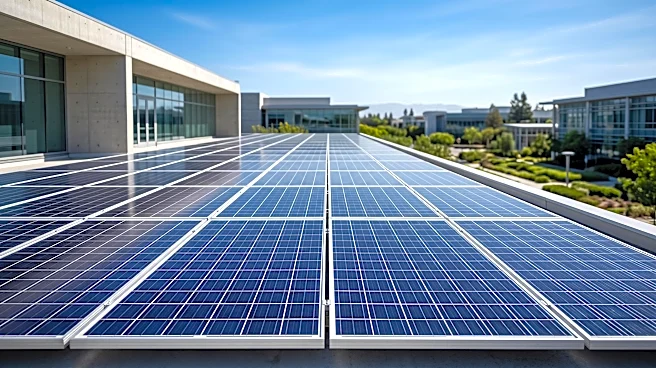
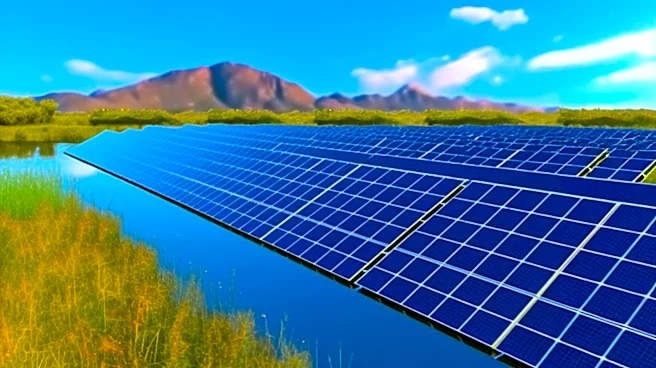
The Australian Renewable Energy Agency (ARENA) has committed AU$105.6 million to fund 20 research and development projects focused on reducing the cost of large-scale solar energy. This investment marks ARENA's largest single allocation to solar PV research and development to date.
The funding aims to enhance efficiency, decrease costs, and improve stability across advanced solar cells and modules. Additionally, projects will target innovations to lower the expenses associated with building, operating, and maintaining solar PV power plants, ultimately reducing the levelized cost of electricity (LCOE). The initiative builds on ARENA's 'Ultra Low-Cost Solar PV Research and Development' program, which initially allocated AU$60 million but increased funding due to the high quality of applications received. Many of the 20 successful projects will be conducted at universities, including the University of New South Wales (UNSW) and the Australian National University (ANU), with a focus on improving cell and module efficiency and durability.
Why It's Important?
This significant investment by ARENA is crucial for accelerating Australia's transition to renewable energy and achieving its decarbonization goals. By targeting a reduction in the LCOE of large-scale solar farms to less than AU$20 per megawatt-hour, the initiative aims to make solar power more competitive and accessible. Lowering the cost of solar energy is essential for unlocking the 10GW of annual capacity additions that ARENA deems necessary for decarbonization, a substantial increase from the current 2-3GW reaching financial close each year. The research will also address growing constraints in Australia's solar sector, particularly the balance-of-system deployment costs, which have become a dominant component of total project costs. By fostering innovation in areas like AI-accelerated PV material discovery, tandem cells, and UV resilience, Australia seeks to maintain its leading role in solar technology development and potentially transform from a solar consumer into a manufacturing hub.
What's Next?
The 20 funded research and development projects will now commence, with many being pursued at universities such as UNSW and ANU. These projects will focus on various aspects, including improving the efficiency and durability of solar cells and modules, developing tandem solar cells, and utilizing artificial intelligence for material discovery. For instance, UNSW researcher Prof. Anita Ho-Baillie's team will experiment with Si-perovskite tandem cells over five years, testing their ability to withstand UV light and mechanical stresses with the goal of achieving commercial viability. The outcomes of these projects are expected to contribute to ARENA's broader '30-30-30' vision, which targets an installed solar cost of 30 cents per watt by 2030, 30% module efficiency, and an LCOE below AU$20 per megawatt-hour. The success of these initiatives will be critical in determining the pace and affordability of Australia's energy transition.
Beyond the Headlines
Beyond the immediate cost reductions and efficiency gains, this investment has deeper implications for Australia's energy independence and global leadership in renewable technology. By focusing on domestic research and development, Australia aims to reduce its reliance on imported clean-technology components, mitigating potential supply-chain insecurities. The emphasis on AI-accelerated material discovery and advanced cell technologies could lead to breakthrough innovations that not only benefit Australia but also have a global impact on solar energy deployment. Furthermore, the initiative underscores a strategic shift towards not just consuming solar technology but also becoming a manufacturing hub, as envisioned by ARENA's AU$1 billion Solar Sunshot program. This long-term vision could create new industries, jobs, and intellectual property, solidifying Australia's position as a key player in the global renewable energy landscape and fostering a more sustainable economic future.