






What's Happening?
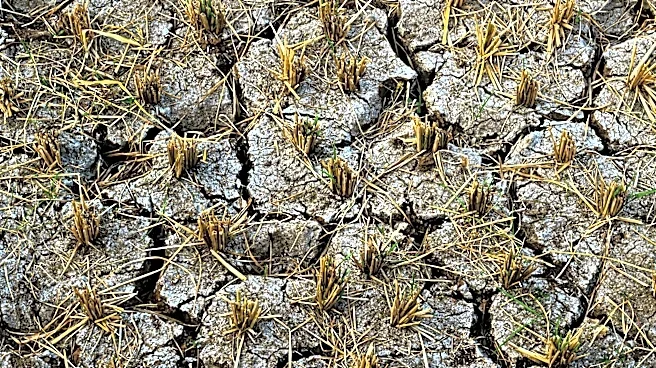
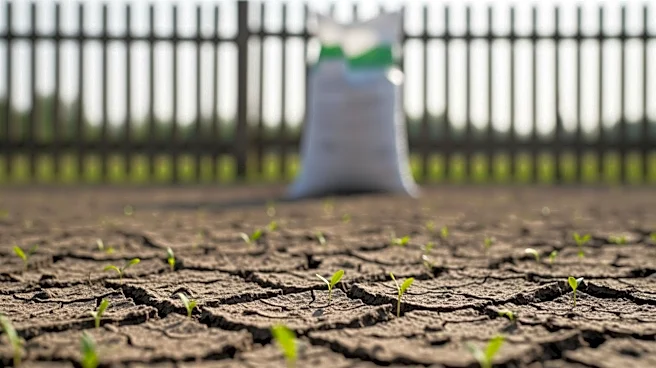
A study by researchers from Stanford, MIT, and Princeton has analyzed the impact of extreme heat on agricultural policies worldwide. Using a global dataset, the study found that domestic heat shocks often lead governments to implement pro-consumer policies,
such as border measures that lower domestic food prices. These policies are particularly prevalent for staple crops and during election years. Conversely, foreign heat shocks tend to result in policies that raise domestic prices, benefiting producers. These policy shifts, while protecting domestic consumers, can negatively impact domestic producers and foreign consumers, highlighting a complex global economic dynamic.
Why It's Important?
The study underscores the significant influence of climate events on agricultural policy and global food markets. By demonstrating how domestic and foreign heat shocks drive different policy responses, the research provides insights into the political and economic challenges of climate adaptation. These findings are crucial for policymakers as they navigate the balance between consumer protection and producer support. The study also raises concerns about the long-term sustainability of such policies, as they may exacerbate global inequalities and contribute to food insecurity in vulnerable regions.