



What's Happening?
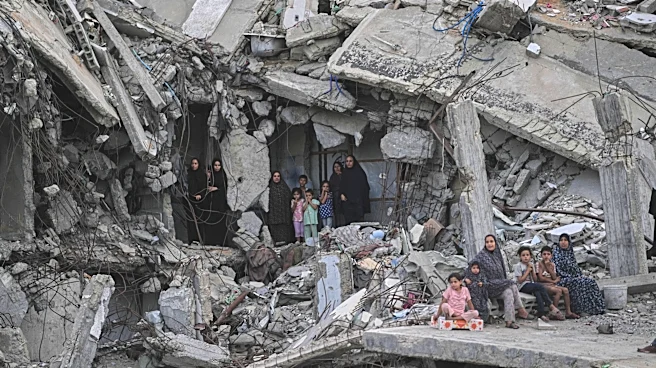
Families in Gaza are bracing for a fourth winter with severe shortages in adequate shelter, as only 18 percent of the 294,250 families in need have received partial assistance, according to the Office for the Coordination of Humanitarian Affairs (OCHA).
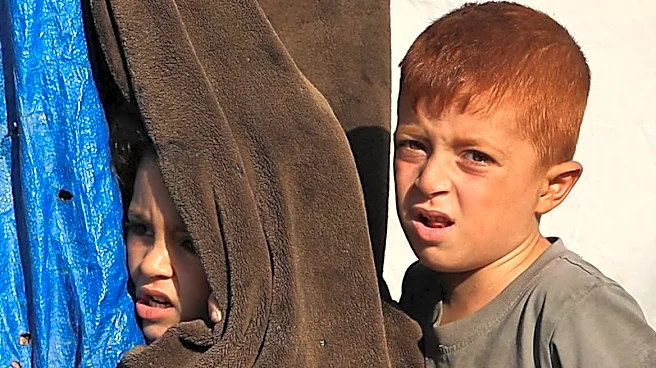
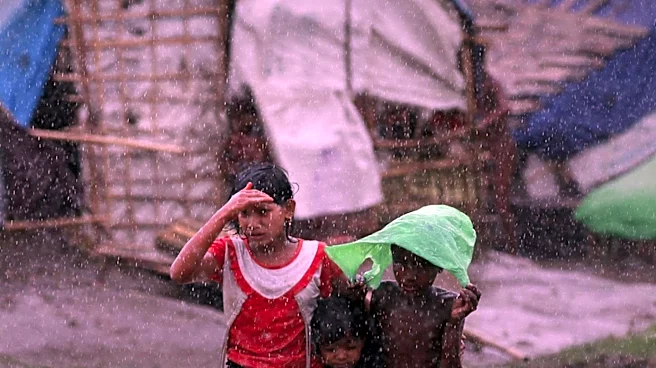
A Shelter Cluster survey indicates that over 65 percent of displaced households are living in tents or makeshift shelters, with more than half of these in poor or very poor condition. The situation is exacerbated by Israel’s siege on Gaza, which has hindered the entry of essential shelter materials. The Norwegian Refugee Council (NRC) reported on October 5 that at least 500 truckloads of shelter materials are awaiting entry or procurement, with current estimates suggesting it could take over seven months for these supplies to enter Gaza. Many displaced individuals, like Mohammed al-Jamal, have been forced to move multiple times and face continuous suffering from the elements, with worn-out tents offering little protection against wind, rain, and cold temperatures.
Why It's Important?
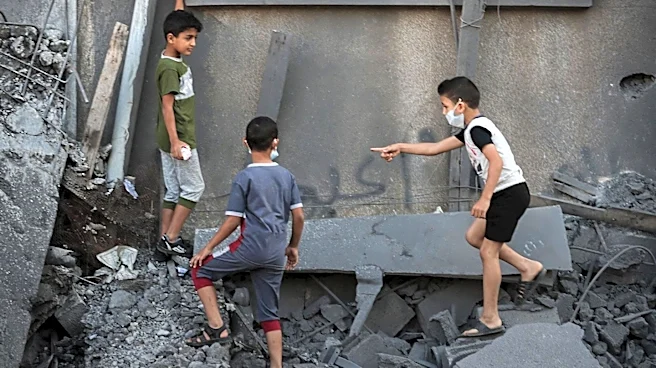
The dire shelter situation in Gaza, particularly as winter approaches, poses a significant humanitarian crisis. The lack of adequate housing for nearly 300,000 families means widespread exposure to harsh weather conditions, leading to increased health risks, including respiratory illnesses and hypothermia, especially among children and the elderly. The destruction of over 80 percent of buildings and infrastructure, coupled with damaged drainage systems operating at only 20 percent capacity, further compounds the problem by increasing the risk of flooding and waterborne diseases. This prolonged displacement and inadequate living conditions contribute to severe psychological distress and a loss of dignity for affected families, highlighting the urgent need for sustained and unhindered humanitarian access to shelter materials and other essential aid.
What's Next?
As winter progresses, the humanitarian situation in Gaza is expected to worsen without immediate and substantial intervention. The primary focus for humanitarian organizations will be to advocate for the expedited entry of shelter materials and other critical aid into Gaza. Efforts will likely continue to provide temporary solutions, such as repairing existing tents and distributing blankets, but these are insufficient to address the scale of the problem. International pressure on all parties involved will be crucial to ensure humanitarian access and facilitate the delivery of necessary supplies. Without a significant increase in aid and a relaxation of restrictions on material entry, displaced families will continue to face extreme hardship, and the long-term recovery and rebuilding efforts will be severely hampered.
Beyond the Headlines
The ongoing shelter crisis in Gaza extends beyond immediate physical discomfort, touching upon fundamental human rights and the long-term prospects for recovery and stability in the region. The repeated displacement and destruction of homes erode community structures and create a generation of individuals traumatized by instability. The inability to rebuild and secure adequate housing perpetuates a cycle of dependency on aid and hinders any meaningful return to normalcy. This situation also raises profound ethical questions about the responsibilities of occupying powers and the international community to protect civilian populations and ensure their right to shelter and a dignified life. The lack of progress in addressing this basic need underscores the complex political and logistical challenges that prevent effective humanitarian action and prolong human suffering.