






What's Happening?
A new study conducted by researchers from the University of Massachusetts at Amherst and the University of Michigan indicates that parental modeling of gender roles significantly impacts teenage boys' susceptibility to 'manosphere' content. The study,
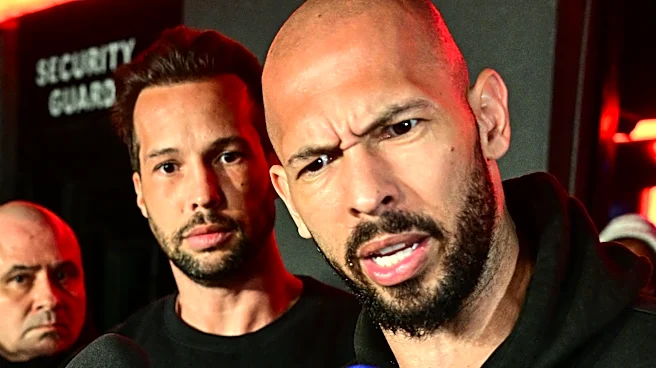
which analyzed cell phone responses from 601 teenage boys aged 13 to 17, found that boys whose parents adhered to strict gender norms were up to three times more likely to hold similar views and be influenced by 'manosphere' figures. Approximately 33% of the surveyed teens followed Andrew Tate, and 11% followed Jordan Peterson, both controversial figures known for spreading anti-feminist and sexist ideas. The research suggests that while online content is a factor, the messages received within the home play a more substantial role in shaping these beliefs. Jami Dumler, a licensed clinical social worker not associated with the study, emphasized that children absorb messages about gender roles from their caregivers, highlighting the importance of balanced messaging at home.
Why It's Important?
This research is important because it sheds light on the foundational influences shaping the views of teenage boys regarding masculinity and gender roles, particularly in the context of the 'manosphere.' The findings suggest that addressing the spread of problematic online content may require a deeper focus on family dynamics and parental education. If household environments reinforce strict gender norms, efforts to counter misogynistic online narratives might be less effective. This has implications for public health and social policy, as the 'manosphere' has been linked to harmful attitudes and behaviors. Understanding these underlying influences can help parents, educators, and mental health professionals develop more effective strategies to guide young men toward healthier understandings of masculinity and relationships, potentially mitigating the negative societal impacts associated with such online communities.
What's Next?
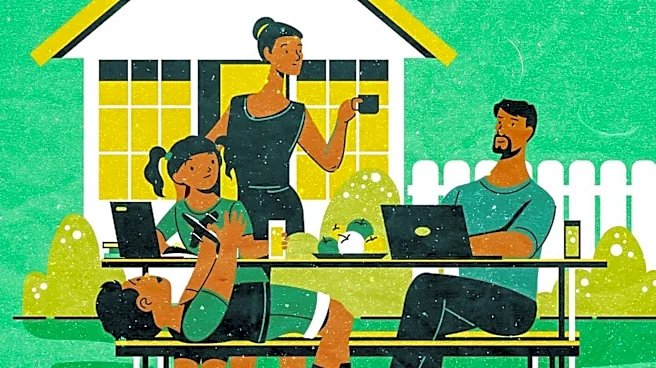
The study's findings suggest a need for increased awareness among parents and caregivers about the impact of their own gender role modeling. Experts like Jami Dumler recommend that parents engage in regular, open conversations with their teenage sons, fostering an environment where emotions can be expressed and discussed without judgment. These conversations should prioritize curiosity over criticism when discussing online content. Future initiatives could focus on developing resources for parents to promote balanced gender perspectives and critical thinking skills in their children. Additionally, the research highlights the importance of providing positive male role models and creating safe spaces for boys to discuss their feelings and experiences, potentially through community programs or mentorship. The study also calls for further research to understand why teens follow certain influencers and how their mindsets evolve over time.
Beyond the Headlines
The study's implications extend beyond immediate parental guidance, touching upon broader cultural and societal norms surrounding masculinity. The 'manosphere' often appeals to young men seeking strong masculine guardianship or models, suggesting a potential void in traditional sources of male guidance. This highlights a societal challenge in redefining masculinity to include vulnerability, empathy, and emotional literacy, rather than rigid, outdated ideals. The research also implicitly raises questions about the role of social media algorithms in amplifying certain voices and the need for platforms to address the spread of harmful content. Ultimately, fostering a healthier understanding of masculinity requires a multi-faceted approach involving families, educational institutions, and digital platforms to counter the influence of problematic online communities and promote positive development in young men.