

What's Happening?
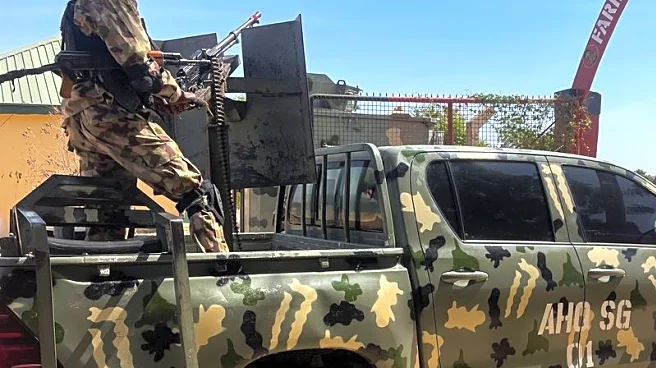
The Sahel Alliance, consisting of Niger and its neighboring countries led by military juntas, has announced the formation of a 5,000-strong joint military force to combat jihadist groups in the region. This development comes in response to the escalating
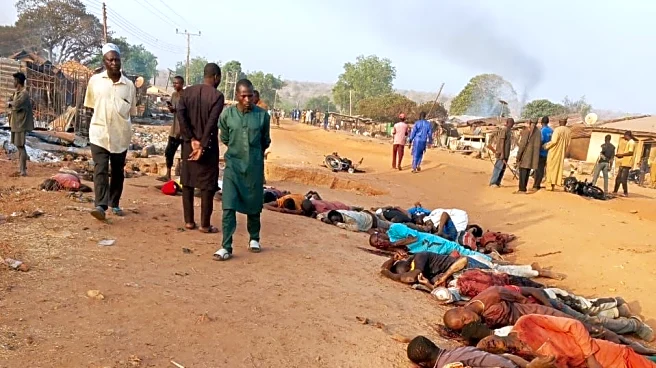
jihadist violence that claimed nearly 2,000 lives in Niger in 2025, according to the Armed Conflict Location & Event Data Project (ACLED). The announcement follows the expulsion of French and US forces from Niger, as the country's military leadership seeks to assert greater control over its security operations. The capital, Niamey, recently experienced gunfire and explosions near its international airport, which also serves as the headquarters for the joint force created by Niger, Burkina Faso, and Mali. The situation underscores the ongoing security challenges faced by the region, as well as the strategic importance of the Sahel Alliance in addressing these threats.
Why It's Important?
The formation of the Sahel Alliance's military force is a significant development in the region's security landscape. It highlights the increasing autonomy of Sahel countries in managing their security affairs, particularly in the wake of the withdrawal of Western military support. This move could potentially alter the balance of power in the region, as local forces take on a more prominent role in combating jihadist threats. The alliance's efforts to address jihadist violence are crucial for regional stability, as continued unrest could have broader implications for West Africa's political and economic environment. The success of this initiative could also influence international perceptions of the region's ability to manage its security challenges independently.
What's Next?
The Sahel Alliance's military force is expected to begin operations soon, focusing on areas most affected by jihadist violence. The effectiveness of this force will be closely monitored by regional and international stakeholders, as it could set a precedent for future security collaborations in the Sahel. Additionally, the alliance's actions may prompt reactions from jihadist groups, potentially leading to an escalation in violence. The international community, particularly countries with vested interests in the region, will likely continue to engage with the Sahel Alliance to support its efforts in maintaining stability and security.
Beyond the Headlines
The creation of the Sahel Alliance's military force raises questions about the long-term sustainability of regional security initiatives without external support. The reliance on military solutions to address jihadist threats may also overshadow the need for comprehensive strategies that address the root causes of extremism, such as poverty, lack of education, and political disenfranchisement. Furthermore, the alliance's actions could influence regional dynamics, potentially leading to shifts in alliances and power structures within West Africa.