




What's Happening?
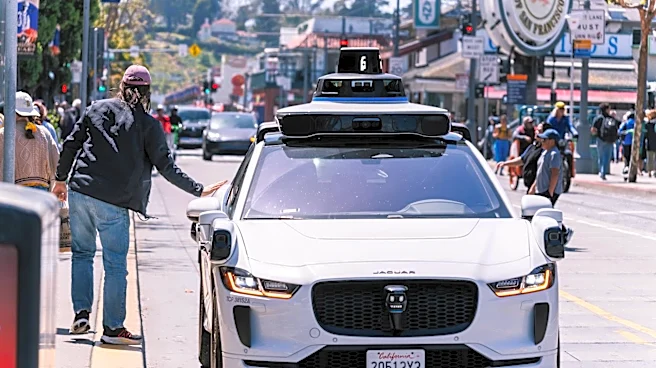
Tesla's Robotaxi vehicles have been involved in at least two collisions while being remotely operated in Austin, Texas, since July 2025. According to the U.S. National Highway Traffic Safety Administration (NHTSA), both incidents occurred at low speeds
and involved no passengers. Tesla has informed regulators that remote operators can control the vehicles at speeds below 10 mph to move them out of awkward situations. The first incident involved a teleoperator striking a roadside metal barrier, while the second involved a collision with a temporary construction barrier.
Why It's Important?
These incidents raise concerns about the safety and reliability of remote operation in autonomous vehicles. As Tesla and other companies continue to develop and deploy autonomous technologies, ensuring the safety of these systems is crucial. The collisions highlight potential challenges in remote vehicle operation, such as the need for improved control systems and operator training. The incidents also underscore the importance of transparency and regulatory oversight in the autonomous vehicle industry, as Tesla has now disclosed detailed descriptions of 17 collisions since last year.
What's Next?
Tesla and other companies may need to enhance their remote operation systems and provide additional training for teleoperators to prevent future incidents. Regulatory bodies like the NHTSA might increase scrutiny on autonomous vehicle operations and require more detailed reporting of incidents. As the industry evolves, there may be a push for standardized safety protocols and technologies to ensure the safe integration of autonomous vehicles into public roadways. Public confidence in autonomous vehicles could be affected, influencing the pace of adoption and regulatory developments.