


What's Happening?
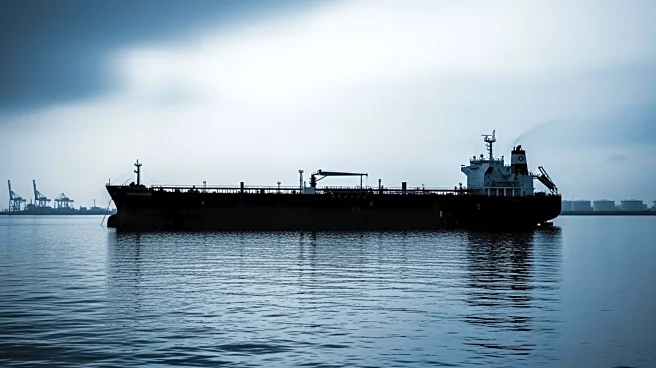
The U.S. Department of the Treasury's Office of Foreign Assets Control (OFAC) has sanctioned nine additional tankers and their owners to increase pressure on Iran. This move is part of a broader strategy to support Iranian protestors and disrupt the Iranian government's
funding sources, which are allegedly used for regional terrorism and security services. The sanctions target vessels involved in transporting Iranian oil and petroleum products, with the U.S. asserting that these activities fund the Iranian regime's oppressive actions. The sanctions are part of a series of measures aimed at curbing Iran's oil exports, which have reportedly increased despite previous sanctions.
Why It's Important?
The sanctions are a significant component of U.S. foreign policy aimed at curbing Iran's influence and supporting democratic movements within the country. By targeting the financial mechanisms that sustain the Iranian regime, the U.S. seeks to weaken its ability to suppress dissent and fund regional conflicts. The sanctions also reflect ongoing geopolitical tensions and the U.S.'s commitment to using economic tools to influence international behavior. The impact of these sanctions could affect global oil markets, particularly if they lead to reduced Iranian oil exports.
What's Next?
The effectiveness of the sanctions will depend on the international community's response and the ability of Iran to find alternative markets for its oil. The U.S. may continue to identify and sanction additional vessels and entities involved in Iranian oil trade. The situation in Iran remains volatile, and further developments in the protests could influence U.S. policy decisions. Monitoring the response from Iran and its allies will be crucial in assessing the long-term impact of these sanctions.