





What's Happening?
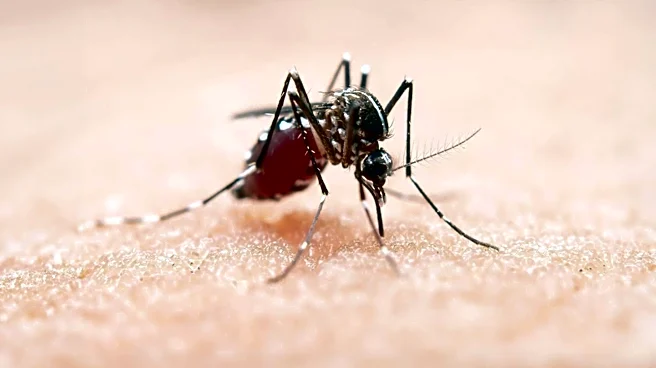
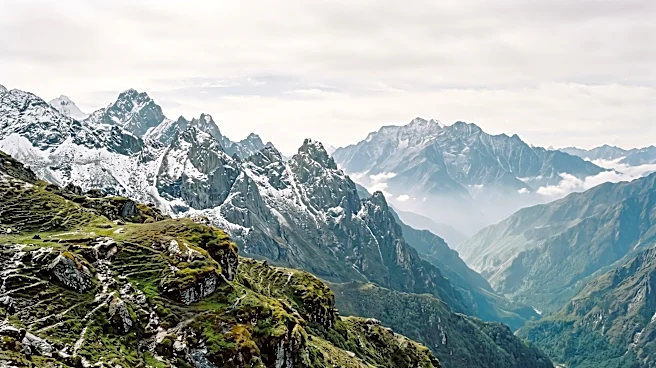
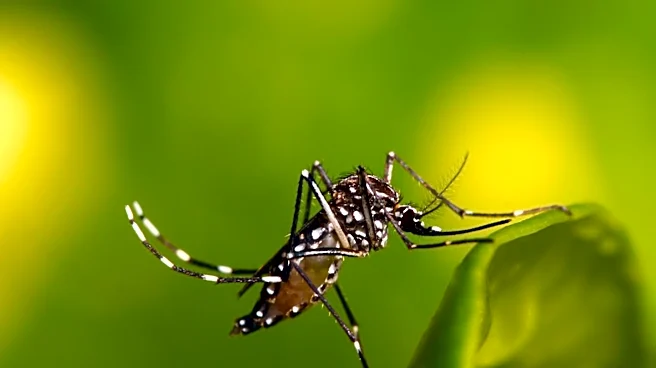
Dengue fever, transmitted by Aedes aegypti mosquitoes, is increasingly prevalent in Nepal's high-altitude regions, a significant shift from its historical confinement to lowland areas. Researchers have documented the mosquito species at elevations up
to 2,500 meters (8,200 feet) over the past decade. This expansion has led to major nationwide epidemics, with the virus reported in 76 out of 77 districts by 2025, causing approximately 9,000 infections and at least six deaths. The phenomenon is attributed to rising average minimum temperatures, which allow mosquitoes to survive and reproduce in previously inhospitable altitudes. Additionally, rapid urbanization in cities like Kathmandu creates ideal breeding grounds due to water storage practices and overwhelmed drainage systems. The presence of multiple dengue virus strains further exacerbates public health risks, as secondary infections with different strains increase the likelihood of severe dengue. Health officials also warn of potential local Zika virus transmission due to established vector populations.
Why It's Important?
The spread of dengue fever into higher altitudes in Nepal signifies a critical public health challenge driven by climate change and urbanization. This shift impacts communities previously unexposed to the disease, leading to delayed recognition and response. The increased geographic footprint of dengue places a greater burden on Nepal's healthcare system, which already faces underfunding and underreporting in its disease surveillance. The emergence of multiple virus strains complicates treatment and increases the risk of severe outcomes, including plasma leakage and organ impairment. This situation mirrors global trends where tropical highlands are becoming more susceptible to vector-borne illnesses due to rising temperatures. The case of Nepal is particularly poignant as it is a carbon-negative country experiencing severe climate change impacts, highlighting the disproportionate effects on nations with low carbon emissions.
What's Next?
Mitigating future dengue epidemics in Nepal will require comprehensive public health strategies. Experts emphasize the need for systematic community campaigns to eliminate standing water, which serves as mosquito breeding sites. Structural improvements to municipal water infrastructure are crucial to reduce reliance on water storage in open containers. Aggressive public education initiatives are also necessary to raise awareness about dengue vectors and breeding sites, especially in newly affected mountain communities. Enhanced disease surveillance systems are vital for early detection and response to outbreaks. Without a widely available dengue vaccine in Nepal, control strategies will heavily depend on Integrated Vector Management (IVM). Continued investment in research and community engagement is essential to curb the threat before it becomes more widespread and unpredictable, potentially overwhelming the country's healthcare capacity.
Beyond the Headlines
The expansion of dengue into Nepal's high Himalayas highlights the complex interplay between climate change, urbanization, and public health. Beyond the immediate health crisis, this development signals a long-term ecological shift where natural thermal barriers are diminishing, allowing disease vectors to colonize new territories. The ethical dimension arises from the disproportionate impact on vulnerable populations in countries like Nepal, which contribute minimally to global carbon emissions but suffer significant consequences. Culturally, the unfamiliarity of dengue in mountain communities poses challenges, as traditional healers (amchi) may not recognize symptoms of newly emerging diseases, potentially delaying diagnosis and treatment. This situation underscores the urgent need for global cooperation on climate action and robust international support for public health infrastructure in developing nations to adapt to these evolving threats.