






What's Happening?
Michael Smith, a 37-year-old man from Hyde Park, has been arrested and charged in connection with two break-ins that occurred in early August in Jamaica Plain, Massachusetts. According to Suffolk County District Attorney Kevin Hayden’s office, Smith faces
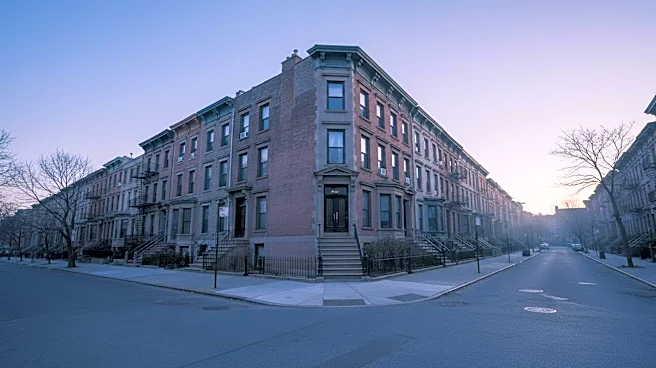
charges of assault, breaking and entering, and breaking and entering in the daytime with intent to commit a felony and placing a person in fear. The first incident took place on August 2, around 4 a.m. on Heath Street, where a 23-year-old woman awoke to find Smith in her home. He allegedly shined a flashlight at her, placed her cat in her bedroom, and later lunged at her while yelling “boo!” before fleeing via a fire escape. The second incident occurred three days later, on August 5, at a different Heath Street residence. Around 6:50 a.m., Smith allegedly climbed through a window into an 80-year-old man's bedroom and attempted to pull off his blanket while he was sleeping. Smith was identified after surveillance video images were circulated to residents, and he subsequently called the police station to confirm he was the person pictured. During his arraignment, Smith pleaded not guilty and was ordered to wear a GPS monitor with an exclusion zone to keep him away from the victims and their homes. A pre-trial hearing is scheduled for October 1.
Why It's Important?
These arrests are significant for community safety and public trust in law enforcement, particularly in the Jamaica Plain area. The nature of the alleged crimes—entering homes while residents are sleeping and engaging in confrontational behavior—can deeply impact the sense of security within a neighborhood. District Attorney Kevin Hayden emphasized that such incidents make residents feel unsafe and can put entire communities on edge, affecting their quality of life. The swift identification and arrest of the suspect, partly due to community cooperation and police efforts in circulating surveillance images, can help restore some confidence. The use of a GPS monitor with an exclusion zone for the accused, even before trial, highlights the judicial system's efforts to protect victims and prevent further incidents. This case underscores the ongoing challenges communities face with residential crime and the importance of both proactive policing and community vigilance in addressing such issues.
What's Next?
Michael Smith is scheduled to return to court on October 1 for a pre-trial hearing. During this period, prosecutors will continue to build their case, and Smith's legal team will prepare his defense. The GPS monitoring with an exclusion zone will remain in effect, ensuring that Smith stays away from the alleged victims and their residences as the legal process unfolds. The community will likely watch the proceedings closely, as the outcome could influence public perception of safety and justice in Jamaica Plain. Depending on the evidence presented and the court's decisions, the case could proceed to trial, result in a plea agreement, or be resolved through other legal means. The effectiveness of the GPS monitoring will also be a point of interest, demonstrating how technology is used to enforce court orders and protect individuals.
Beyond the Headlines
Beyond the immediate legal proceedings, this case touches upon broader societal issues related to home security, the psychological impact of residential invasions, and the role of community engagement in crime prevention. The alleged acts, particularly the intrusion into private spaces while occupants are vulnerable, can lead to lasting trauma for victims and heightened anxiety for residents. The detail that one victim had left a fire escape open and another a window partially open before sleeping raises questions about urban living and personal security practices. The incident also highlights the evolving methods of law enforcement, such as using surveillance footage and GPS monitoring, to identify suspects and manage their movements. The District Attorney's statement about the impact on 'quality of life' underscores that such crimes extend beyond property loss, affecting the fundamental right to feel safe within one's own home and community.