
What's Happening?
The Food and Agriculture Organization (FAO) has issued a warning about a potential global food catastrophe if the disruption in the Strait of Hormuz continues. The strait, a critical passage for global trade,
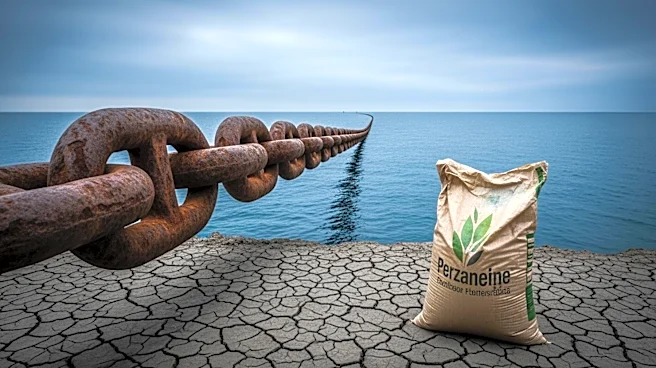
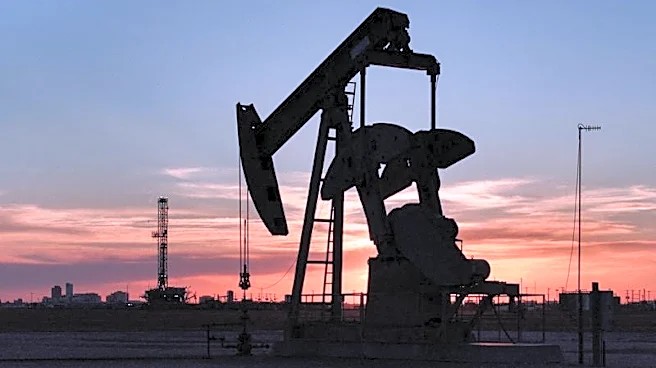
has been blocked due to the ongoing conflict involving the United States and Iran. This blockage has halted shipments of essential agricultural inputs, such as fertilizers, which are crucial for global agriculture. The FAO's chief economist, Maximo Torero, noted that while current food stocks are sufficient to prevent an immediate crisis, prolonged disruptions could lead to significant increases in commodity and retail prices. The situation is exacerbated by the fact that nearly half of the world's traded urea, a key fertilizer, is exported through this strait. The conflict has also led to a global energy crisis, with oil and gas prices doubling at times compared to pre-war levels.
Why It's Important?
The disruption in the Strait of Hormuz has far-reaching implications for global food security and economic stability. As a major conduit for oil and agricultural inputs, any prolonged blockage could lead to increased costs for food production and energy, affecting both developed and developing nations. The potential rise in food prices could lead to inflationary pressures worldwide, impacting consumers and economies. Additionally, the energy crisis resulting from the conflict could further strain global supply chains, leading to higher costs for goods and services. The situation underscores the interconnectedness of global trade and the potential for regional conflicts to have widespread economic repercussions.
What's Next?
The international community is closely monitoring the situation, with efforts underway to negotiate a ceasefire and resume traffic through the strait. However, recent negotiations between Iranian and US representatives have failed to achieve a breakthrough. The US has imposed a naval blockade on the strait, further complicating the situation. If the blockade continues, it could lead to further disruptions in global trade and exacerbate the current energy and food crises. Stakeholders, including governments and international organizations, are likely to increase diplomatic efforts to resolve the conflict and mitigate its impact on global markets.