






What's Happening?
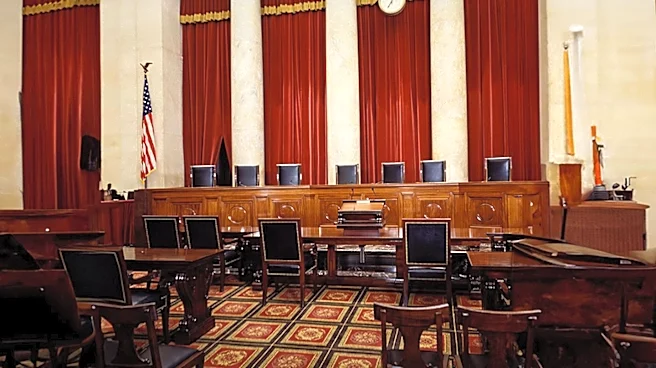
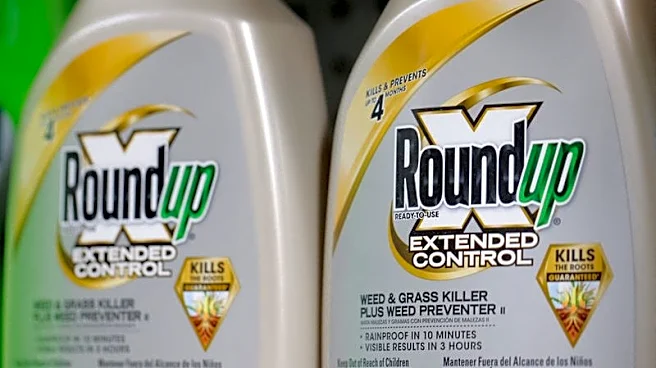
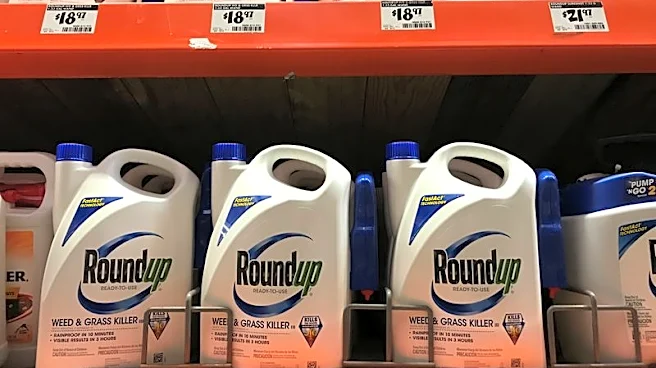
The U.S. Supreme Court has ruled in a 7-2 decision that the Federal Insecticide, Fungicide, and Rodenticide Act (FIFRA) preempts state law claims against Monsanto regarding the labeling of its Roundup product. This decision overturns a Missouri jury verdict
that awarded over $1 million to a plaintiff who claimed that Roundup caused his cancer. The ruling emphasizes that state courts cannot impose labeling requirements that differ from those approved by the Environmental Protection Agency (EPA) under FIFRA. This decision is significant as it affects over 100,000 lawsuits filed against Monsanto, claiming that glyphosate, the active ingredient in Roundup, is carcinogenic. The EPA has consistently found glyphosate unlikely to cause cancer, despite differing opinions from other organizations like the International Agency for Research on Cancer.
Why It's Important?
This Supreme Court decision is crucial for industries regulated under federal labeling laws, as it reinforces the preemption of state-level claims that could impose additional labeling requirements. For Monsanto and similar companies, this ruling limits exposure to lawsuits based on state law claims that challenge federally approved labels. It provides a clearer legal framework for companies to defend against failure-to-warn claims, potentially reducing litigation costs and liabilities. The decision also underscores the authority of federal agencies like the EPA in determining product safety standards, which could influence regulatory practices and litigation strategies across various industries, including pesticides and medical devices.
What's Next?
Following this ruling, companies with products subject to federal labeling requirements may reassess their litigation strategies, focusing on preemption defenses. This decision could lead to a reduction in state-level lawsuits against companies like Monsanto, as plaintiffs may find it more challenging to succeed with claims that require additional warnings beyond federal standards. Legal experts and companies will likely monitor how this ruling influences future litigation and regulatory practices, particularly in industries where federal labeling requirements are prominent.