


What's Happening?
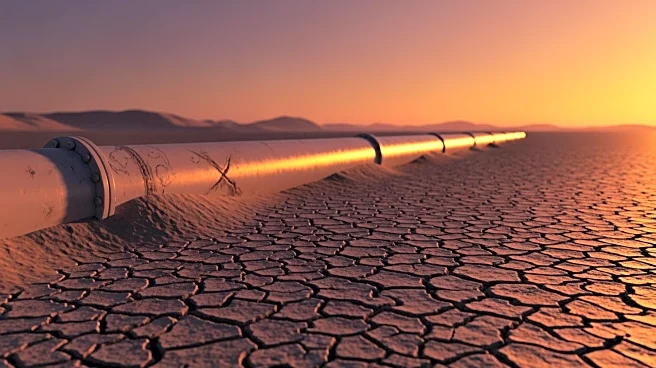
The closure of the Strait of Hormuz by Iran has led to a significant increase in global energy prices, particularly affecting natural gas and crude oil. This has resulted in higher costs for energy-intensive industries, including food production and packaging.
Soybean oil, a key ingredient in many food products, has seen a sharp rise in price due to increased oil prices. The conflict in Iran has also caused volatility in global markets, leading to higher gas prices and potential increases in the cost of travel and other related expenses. The overall impact on food prices is expected to be felt across various sectors, with some products, like sugar and cereals, likely to see the most significant increases due to their reliance on imported materials.
Why It's Important?
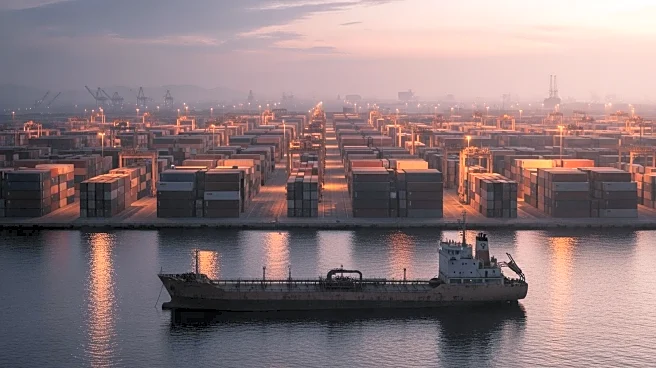
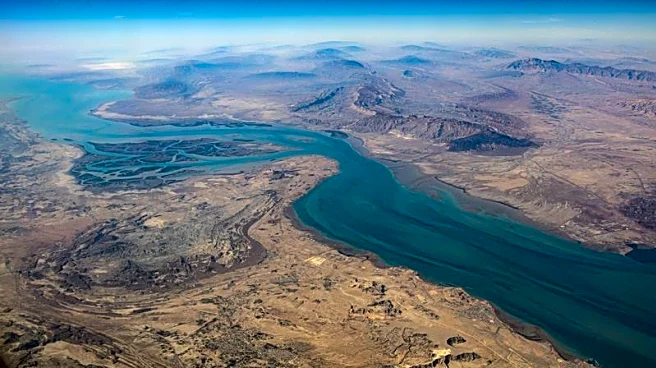
The closure of the Strait of Hormuz, a critical oil shipping channel, has immediate implications for global energy markets, with crude oil and gas prices already rising. This energy shock is expected to have a ripple effect on the production of energy-intensive products, many of which are used by food and beverage makers. The disruption in trade routes threatens the flow of essential commodities like wheat and corn, which are crucial for global food supply. The increase in energy prices also raises transport costs, impacting any food or beverage company trading with the Middle East. This situation highlights the vulnerability of global supply chains to geopolitical tensions and the potential for significant economic disruptions.
What's Next?
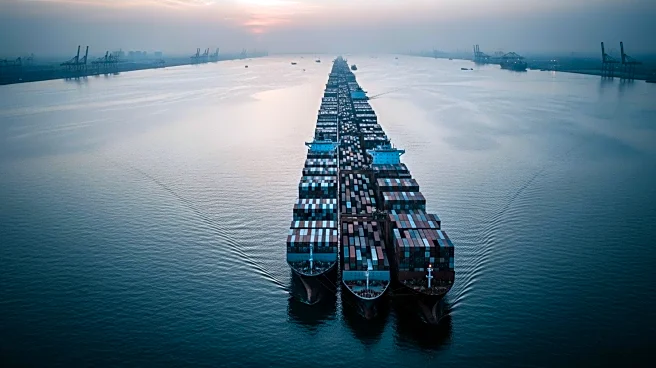
If the Strait of Hormuz remains closed, Asia and Europe are likely to face significant disruptions in food supply. The ongoing conflict could lead to further increases in energy prices, exacerbating the impact on food production and transportation costs. Companies may need to reroute shipments to avoid dangerous shipping channels, further increasing costs. The situation remains unpredictable, and stakeholders in the food and beverage industry will need to closely monitor developments and adjust their strategies accordingly.