



What's Happening?
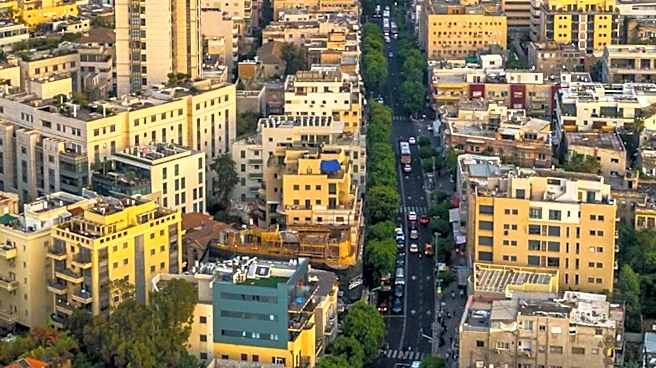
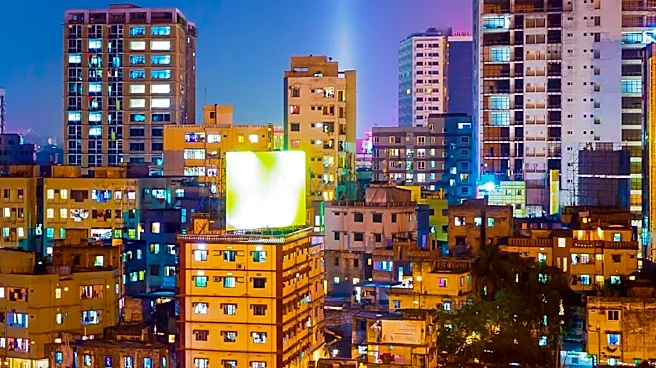
The Florentin neighborhood in Tel Aviv, once a district of workshops and small factories, is undergoing a significant urban makeover. This transformation is driven by new preservation rules, the addition of housing, the creation of pedestrian streets,
and the development of public gardens. City planners are working to modernize the area while striving to retain its distinctive urban character. Unlike preservation efforts focused on individual architecturally significant buildings, the Florentin plan emphasizes the broader urban fabric, including streets and continuous rows of facades. Architect Jeremie Hoffmann, head of conservation at Tel Aviv-Jaffa municipality, highlights that the main importance in Florentin lies in the urban fabric created between buildings, characterized by continuous commercial frontages, projecting balconies, and decorative architectural elements. The neighborhood, established in the 1920s by Jewish immigrants from Thessaloniki, was originally designed with small blocks around internal courtyards and narrow streets with limited green space. After being incorporated into Tel Aviv, it saw commercial and industrial expansion, with residential areas emptying out. In the 1990s, it was designated for urban rehabilitation, leading to infrastructure improvements and a rise in cultural prominence.
Why It's Important?
The urban makeover of Florentin is important as it represents a complex balancing act between modernization and historical preservation in a rapidly developing urban environment. The approach of preserving the 'urban fabric' rather than just individual landmarks sets a precedent for how cities can evolve while maintaining their unique identity. This strategy aims to prevent the displacement of the neighborhood's character by large retail chains, instead encouraging smaller businesses, boutiques, galleries, and restaurants. The transformation also addresses the need for more public spaces and green areas within a densely populated urban setting, converting former industrial plots and parking lots into community gardens and pedestrian-friendly zones. This shift prioritizes pedestrians and public transportation over private vehicles, which could significantly improve urban livability and reduce environmental impact. The challenges faced, such as reconciling modern building regulations with historical architectural elements like balcony depths, highlight the complexities inherent in such large-scale urban renewal projects and could inform similar initiatives in other historical urban centers.
What's Next?
The preservation plan for northern Florentin is in advanced stages of approval, indicating that further implementation of these urban changes is imminent. The plan categorizes preservation into full preservation, fabric preservation, and 'fabric to be retained,' with specific guidelines for each. This will dictate how approximately 350 buildings are treated, with most requiring street-facing facades to remain intact or be incorporated into new structures. The municipality will continue to identify plots for conversion into gardens and public buildings, aiming to make the neighborhood suitable for a broader range of residents. As Tel Aviv's light rail network expands around Florentin, planners intend to further prioritize pedestrians and public transportation. Architects working on projects in Florentin will need to navigate new municipal policies that offer less flexibility than in the past, with stricter definitions for how new construction relates to older buildings. This could lead to a more consistent visual identity but might also make it harder to distinguish between historical and contemporary layers of the neighborhood's architecture.
Beyond the Headlines
The Florentin makeover delves into deeper implications concerning urban identity, gentrification, and the evolving relationship between historical preservation and modern development. The municipality's deliberate policy to discourage large retail chains and foster small, specialized businesses reflects an effort to combat the homogenization often seen in revitalized urban areas. This approach aims to maintain the neighborhood's unique commercial and cultural ecosystem, which includes metalworkers, bookbinders, and paint manufacturers, alongside cafes and galleries. The emphasis on pedestrianization and public transport not only addresses environmental concerns but also fosters a more community-oriented and accessible urban space, potentially enhancing social cohesion. However, the stricter preservation rules, while safeguarding visual identity, could also limit architectural innovation and the clear demarcation of historical periods within the urban landscape. The 'balcony problem,' where modern building codes conflict with historical architectural dimensions, symbolizes the broader tension between contemporary regulations and the desire to authentically replicate or integrate historical features, raising questions about the compromises inherent in urban renewal.