
What's Happening?
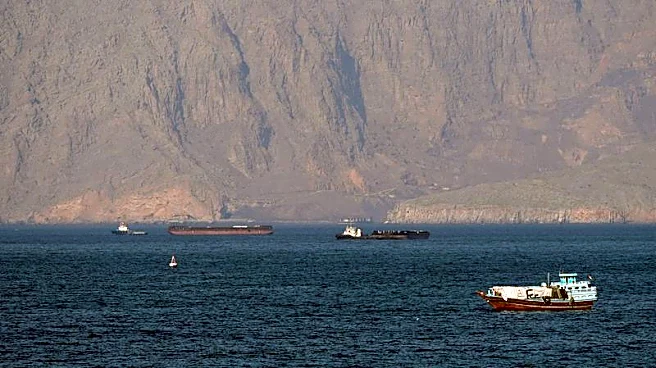
Igor Sechin, CEO of Rosneft, stated that U.S. energy companies are the primary beneficiaries of the closure of the Strait of Hormuz. This strategic waterway, crucial for global oil supply, was blockaded
by Iran following an attack by the United States and Israel that resulted in the death of Iran's Supreme Leader Ayatollah Ali Khamenei. The blockade has significantly impacted global markets, causing oil prices to surge and contributing to worldwide inflation and economic instability. Sechin, speaking at the St. Petersburg International Economic Forum, criticized the U.S. for attempting to reshape global energy market regulations to its advantage. He noted that the closure, intended to target Iran, inadvertently affected the global economy. Sechin also mentioned the weakening of the OPEC+ alliance due to the United Arab Emirates' withdrawal, further complicating the global energy landscape.
Why It's Important?
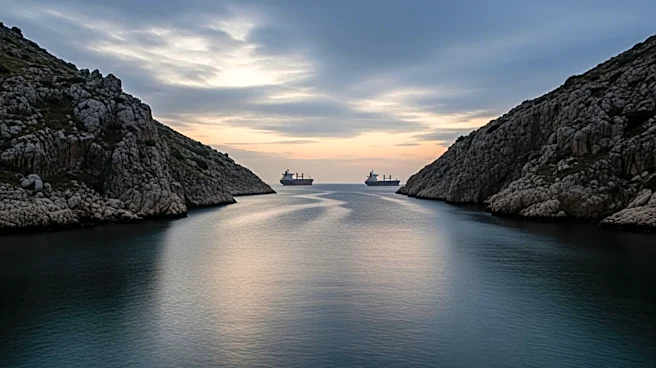
The closure of the Strait of Hormuz has profound implications for global energy markets and economic stability. As a critical passage for about 20% of the world's oil supply, its blockade disrupts supply chains, leading to increased oil prices and inflation. This situation benefits U.S. companies by providing them with non-competitive advantages and opportunities to secure high-cost supplies. However, it also poses risks to global economic growth and stability. The incident highlights the geopolitical tensions surrounding energy resources and the strategic importance of maintaining open and secure trade routes. The weakening of the OPEC+ alliance further complicates the global energy market, potentially leading to increased volatility and uncertainty.
What's Next?
The closure of the Strait of Hormuz may prompt international efforts to secure alternative routes and stabilize global energy supplies. Countries reliant on oil imports may seek to diversify their energy sources or increase domestic production to mitigate the impact of such disruptions. Additionally, the situation could lead to increased diplomatic tensions and negotiations aimed at reopening the strait and ensuring the security of other critical maritime routes. The global community may also push for renewed discussions on energy security and cooperation to prevent similar incidents in the future.
Beyond the Headlines
The closure of the Strait of Hormuz underscores the complex interplay between geopolitics and energy security. It raises ethical questions about the use of strategic blockades as a tool of international policy and the unintended consequences on global economies. The incident may also prompt a reevaluation of energy policies and the need for sustainable and resilient energy systems. Long-term, this could accelerate the transition to renewable energy sources and reduce dependency on geopolitically sensitive regions for oil supply.