







What's Happening?
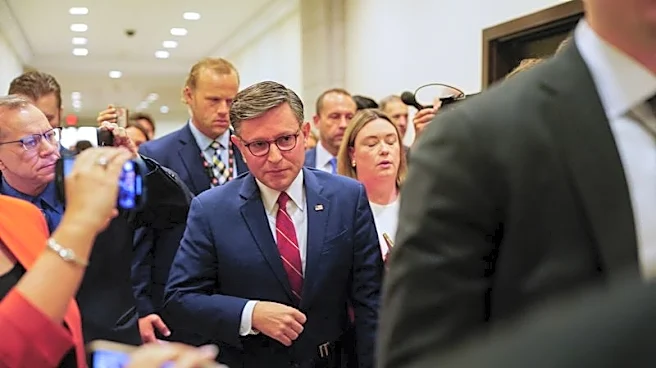
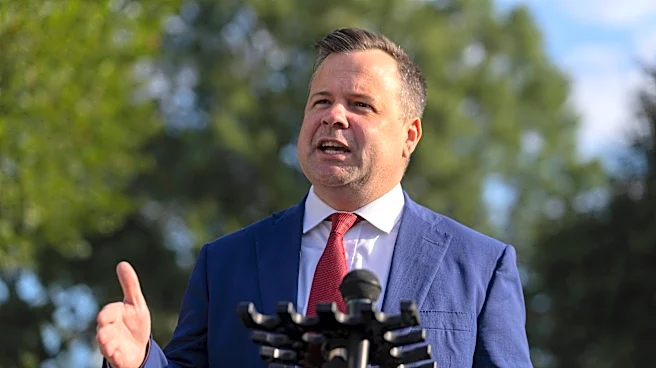
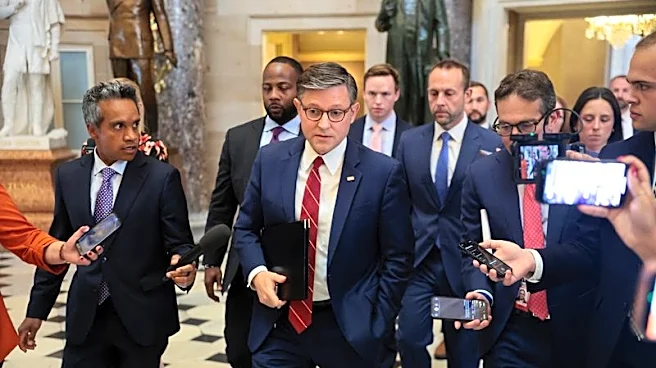
The US House of Representatives failed to pass a short-term extension of the Foreign Intelligence Surveillance Act (FISA) on Thursday. The vote, which ended 198-218, was influenced by controversy surrounding President Trump's appointment of Bill Pulte
as acting director of national intelligence. Pulte, a major Republican donor, lacks national security experience, which has led to significant opposition from Democrats. The failure to extend the law means that section 702 of FISA, which allows US intelligence agencies to intercept foreign communications without a court warrant, will lapse. Despite this, the FISA court has issued a year-long certification authorizing section 702 collection through March 2027, allowing the program to continue temporarily. The deadlock in Congress arose after Democrats withdrew from negotiations following Pulte's appointment, citing concerns over his qualifications and potential misuse of intelligence resources.
Why It's Important?
The lapse of section 702 of FISA could have significant implications for US intelligence operations, particularly in foreign intelligence collection. The controversy over Bill Pulte's appointment highlights ongoing tensions between the Trump administration and congressional Democrats, as well as within the Republican Party itself. The failure to extend the law reflects broader concerns about civil liberties and the balance of power in intelligence operations. This development could impact US national security strategies and the ability to monitor foreign threats effectively. The situation underscores the challenges in achieving bipartisan consensus on national security issues, especially when appointments and policy decisions are perceived as politically motivated.
What's Next?
With the lapse of section 702, there may be increased pressure on Congress to negotiate a new agreement that addresses both security needs and civil liberties concerns. The administration may need to consider alternative strategies to ensure continued intelligence collection capabilities. Additionally, the controversy over Pulte's appointment could lead to further scrutiny of the Trump administration's personnel decisions and their impact on national security. Stakeholders, including intelligence agencies and civil liberties groups, are likely to engage in discussions to find a viable path forward that balances security and privacy.