








What's Happening?
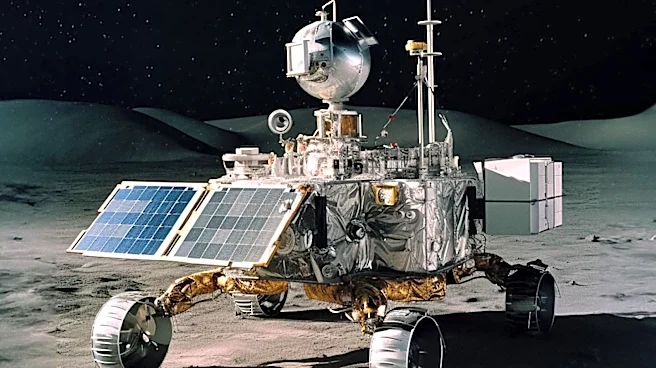
NASA has announced plans to send a spare nuclear-powered Mars rover, known as PROMISE, to the moon's south pole as part of its Moon Base initiative. The rover, originally developed as a test platform for the Perseverance and Curiosity rovers on Mars,
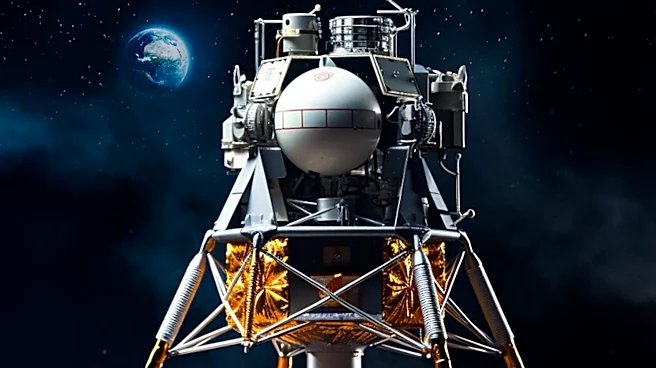
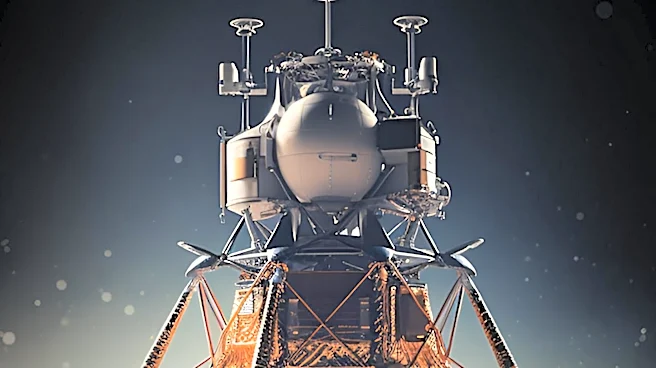
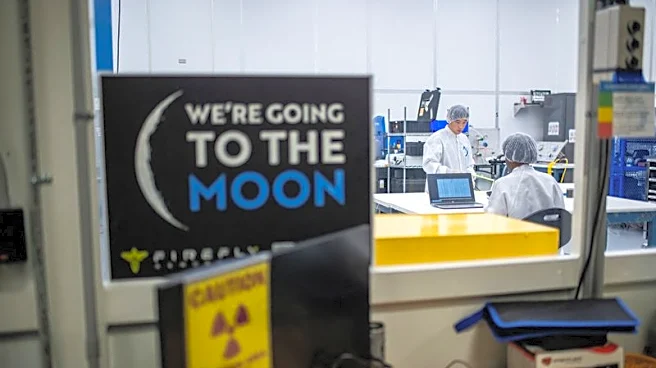
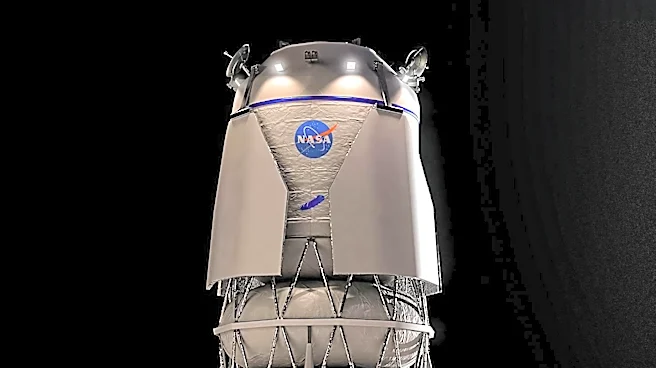
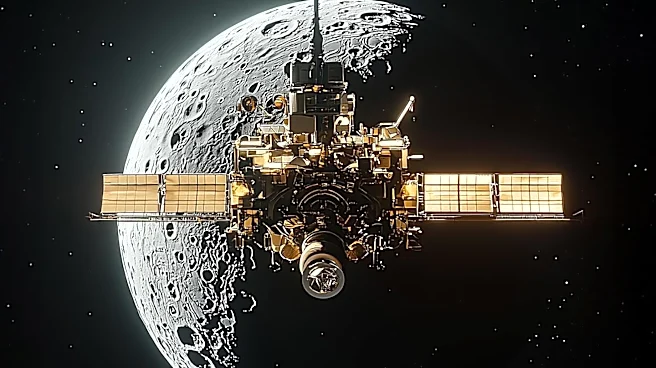
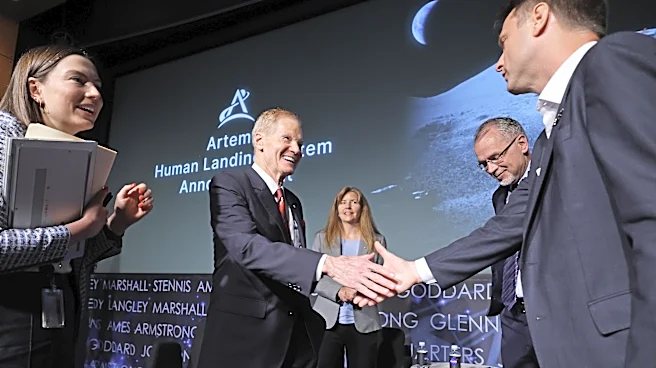
will be repurposed for lunar exploration. PROMISE, which stands for 'Polar Rover for Observation, Mapping, and In-Situ Exploration,' is powered by a radioisotope thermoelectric generator, allowing it to operate without sunlight. This capability is particularly advantageous for the moon's environment, where long periods of darkness are common. The announcement was made during NASA's monthly update on its lunar plans, which also included the naming of Astrobotic, Firefly Aerospace, and Intuitive Machines as providers of robotic landers for future lunar missions.
Why It's Important?
The decision to send PROMISE to the moon represents a strategic move by NASA to leverage existing technology for new exploratory missions. This initiative is part of NASA's broader effort to establish a permanent human presence on the moon, which is seen as a stepping stone for future Mars missions. By utilizing a nuclear-powered rover, NASA can conduct extensive research and mapping of the moon's south pole, an area believed to contain significant water ice deposits. This could provide critical resources for sustaining human life and supporting long-term lunar habitation. The mission also underscores NASA's commitment to innovation and cost-effectiveness by repurposing existing assets for new scientific endeavors.
What's Next?
NASA plans to refurbish the PROMISE rover before its lunar mission, ensuring it is equipped to handle the unique challenges of the moon's environment. The agency is also preparing for up to 20 lunar missions through its Commercial Lunar Payload Services initiative, which will support the first phase of the Moon Base program. These missions will involve various scientific payloads and technology demonstrations aimed at enhancing our understanding of the lunar surface and environment. As NASA progresses with its lunar plans, collaboration with commercial partners will be crucial in achieving its goals of sustainable lunar exploration and eventual human settlement.