



What's Happening?
The Zimbabwean government is enhancing the capabilities of its agricultural extension workers to prepare farmers for an anticipated drought during the 2026/27 farming season. According to Agriculture, Mechanisation and Water Resources Development Permanent
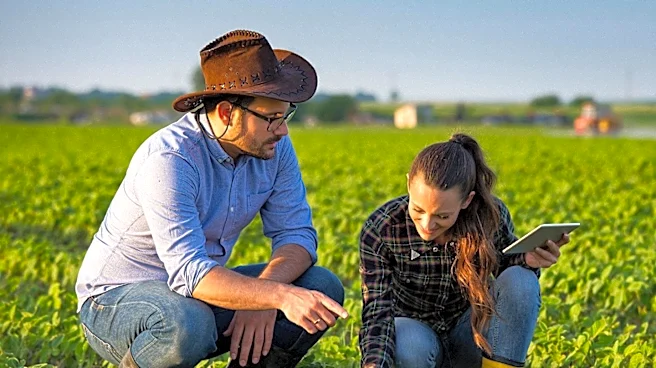
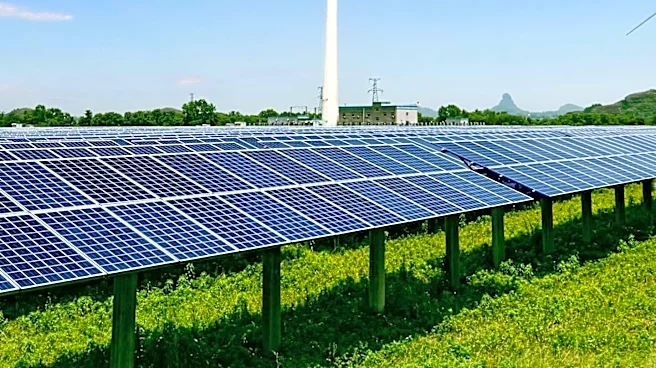
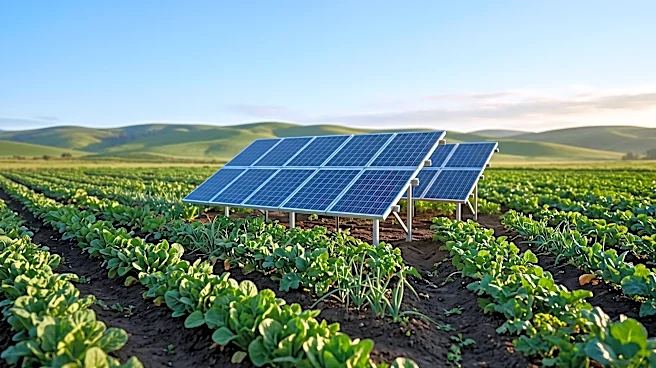
Secretary Professor Obert Jiri, these workers are crucial for disseminating timely information and practical support to farmers. The initiative focuses on mainstreaming six drought mitigation pillars: food security, livestock response, climate-smart agriculture, social protection programs, early warning systems, and coordination mechanisms. To improve efficiency, extension workers have been provided with tablets, internet connectivity, data, airtime, and solar-powered systems, along with an e-extension platform for updated information. This digital approach aims to ensure that every farmer can effectively respond to climate-related risks. The government is also packaging agricultural information into simplified messages to facilitate better communication of technical issues to farmers.
Why It's Important?
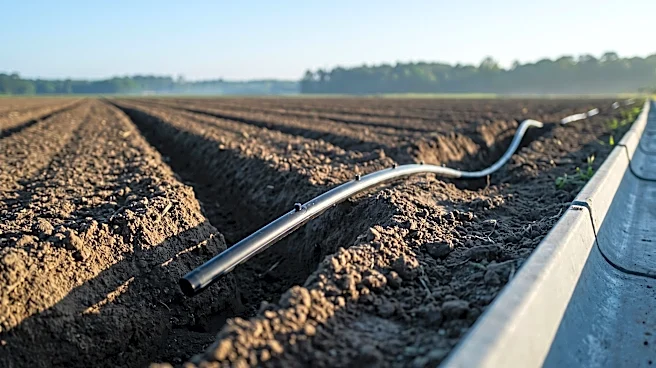
This proactive measure is vital for Zimbabwe, an agro-based economy frequently impacted by droughts, particularly those linked to El Niño events. By strengthening the capacity of agricultural extension workers and leveraging digital tools, the government aims to build resilience within its rural systems and mitigate the severe consequences of crop failures and livestock losses. Past droughts, such as the catastrophic 1991/92 event and the 2015/16 'super' El Niño, have led to widespread food insecurity and significant economic damage. Equipping farmers with knowledge and resources to adopt drought-resistant crops, implement irrigation schemes, and utilize climate-smart agriculture practices can safeguard livelihoods and national food security. The investment in digital extension services signifies a modernization of agricultural support, potentially leading to more efficient and widespread adoption of critical farming techniques, thereby reducing the country's vulnerability to climate shocks.
What's Next?
The immediate next step involves the full implementation of the enhanced extension services, with agricultural business advisers and officers expected to actively mainstream the six drought mitigation pillars among farmers. The effectiveness of these interventions will be assessed based on how well they support farmers at various administrative levels. The government will continue to invest in digital platforms and ensure that the e-extension system is regularly updated with the latest agricultural information. Additionally, the private sector is expected to continue supporting these efforts, for instance, by providing locally manufactured agricultural inputs to combat pests like the fall armyworm, as highlighted by Coopers Shumba Group managing director Mr. Petrus Erasmus. The long-term goal is to foster a more resilient agricultural sector capable of sustaining food production despite increasing climate variability.
Beyond the Headlines
Beyond the immediate goal of drought mitigation, this initiative reflects a broader strategic shift towards integrating technology and localized knowledge in agricultural development. The emphasis on digital extension services not only improves information flow but also empowers extension workers with modern tools, potentially enhancing their professional development and impact. This approach acknowledges that while large-scale infrastructure projects have their place, supporting individual farmer-led initiatives, such as small-scale irrigation using affordable technology, can be more effective in building resilience from the ground up. The focus on indigenous seeds and climate-resilient agroecology systems, as championed by organizations like the Seed and Knowledge Initiative, further underscores a move towards sustainable practices that are culturally appropriate and environmentally sound, fostering long-term food sovereignty and reducing reliance on external aid.