


What's Happening?
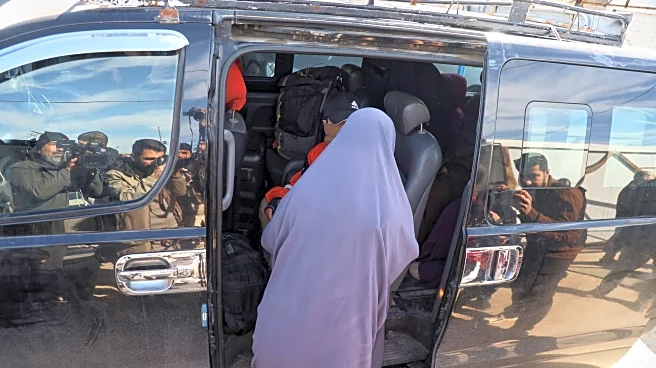
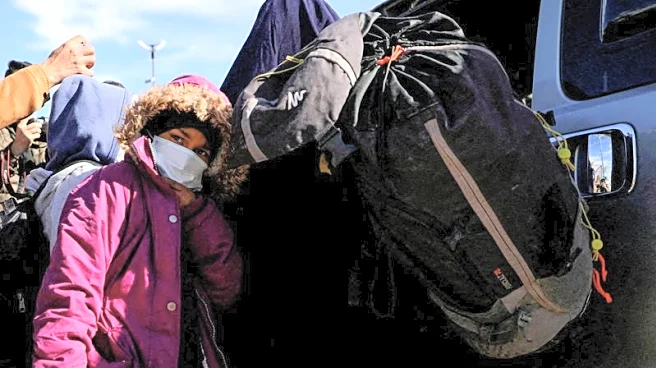
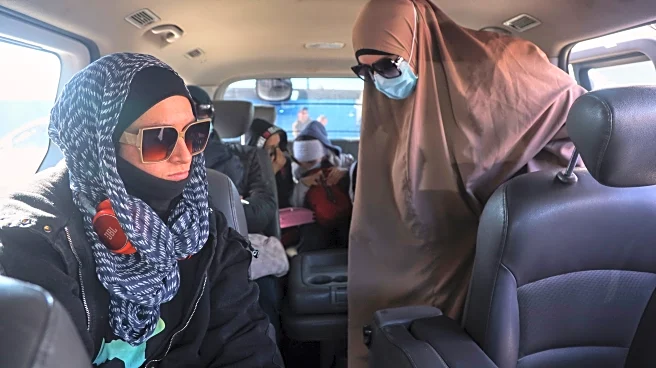
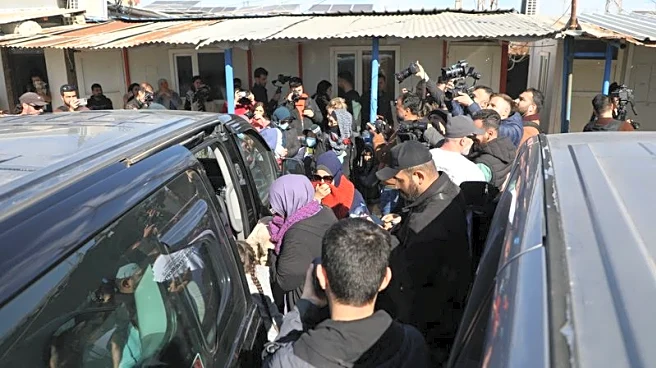
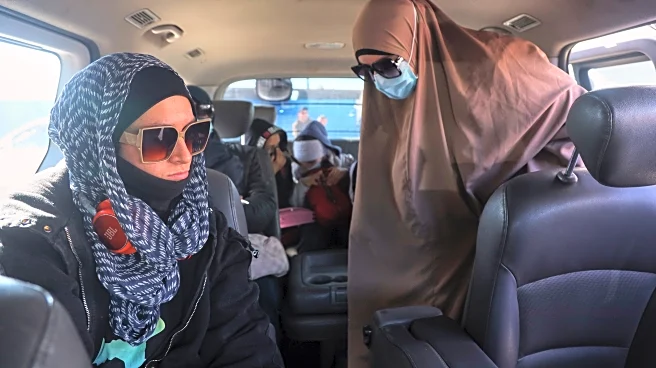
The Australian government, led by Prime Minister Anthony Albanese, has decided not to repatriate a group of 34 women and children from Syria who have alleged ties to the Islamic State group. These individuals, from 11 families, were initially set to return
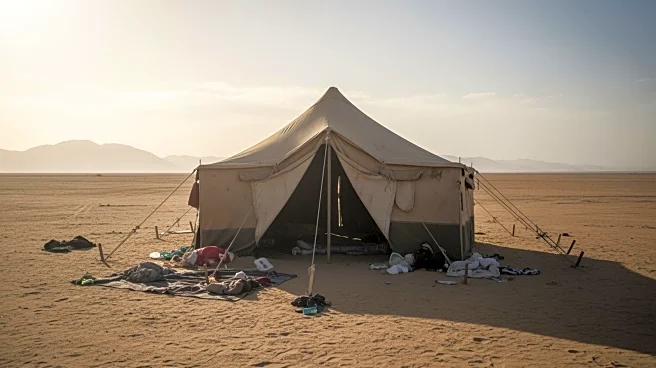
to Australia but were turned back to the Roj camp in northeast Syria due to procedural issues. This decision follows a history of limited repatriations, with only two groups having been brought back to Australia since the fall of the Islamic State in 2019. The government has faced criticism from organizations like Save the Children, which argues that there is a moral obligation to repatriate these citizens. However, the Australian courts have previously ruled in favor of the government's stance, emphasizing the legal implications for those who traveled to conflict zones without legitimate reasons.
Why It's Important?
This decision highlights the ongoing global debate over the repatriation of citizens with alleged ties to terrorist organizations. For Australia, it underscores the tension between national security concerns and humanitarian obligations. The refusal to repatriate these individuals may impact Australia's international relations and its domestic policy on handling citizens involved in foreign conflicts. The government's stance reflects a broader reluctance among Western nations to bring back citizens from conflict zones, which could have implications for international human rights discussions and the treatment of children in such situations.
What's Next?
If the group manages to return to Australia independently, they could face legal consequences, including potential charges for traveling to a conflict zone. The Australian government may continue to face pressure from human rights organizations and international bodies to reconsider its stance. Additionally, this situation could influence future policies regarding the repatriation of citizens from conflict zones, especially as similar cases arise globally.