





What's Happening?
A recent survey of 5,000 U.S. homeowners indicates a significant increase in smart home technology adoption, with seven out of ten Americans owning up to ten smart devices. The survey, commissioned by Vivint as part of its annual 'How We Home' report,
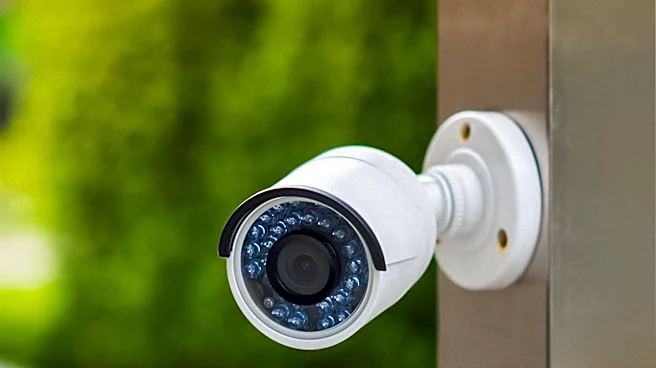
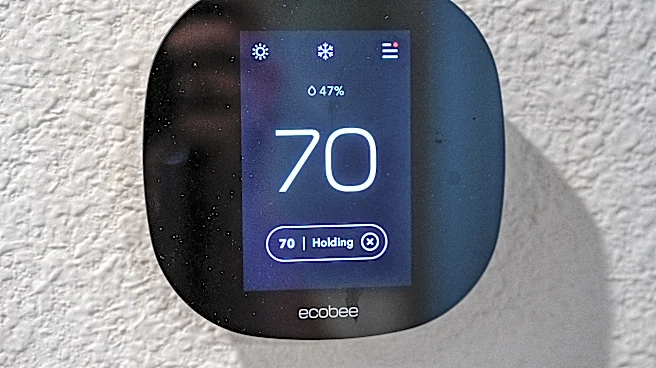
found that 59% of households consider their residence 'smart.' Popular smart technology purchases over the past year include smart TVs (23%), doorbells (22%), and outdoor cameras or lighting (16%). Homeowners are increasingly prioritizing home security, with 46% more concerned about theft than five years ago, and one in five having experienced a home or car break-in. This concern has led to an average investment of $560 in home security over the last five years. Beyond security, energy management is a growing focus, with many homeowners looking to smart thermostats, lighting, and energy monitors to gain insight into consumption and manage household costs. The study also highlights a demand for professional installation, with 80% of respondents open to or already having professionally installed smart home devices, valuing the reliability and proper setup provided by experts.
Why It's Important?
The widespread adoption of smart home technology signifies a shift in how U.S. households manage their living spaces, impacting various sectors. The emphasis on security drives innovation and demand in the home security industry, leading to advancements in smart doorbells, cameras, and locks. This trend also creates opportunities for professional installation services, as homeowners seek reliable and integrated systems. The focus on energy management through smart devices contributes to broader energy conservation efforts and influences the development of more efficient home appliances and energy monitoring solutions. Furthermore, the integration of AI for detecting unusual activity and automating security functions suggests a growing reliance on advanced technology for daily living. This evolution in consumer preferences also impacts the real estate market, with 16% of homeowners willing to pay more for a house with an existing smart home setup, indicating that these technologies are becoming a desirable feature in residential properties.
What's Next?
The smart home market is projected to continue its growth trajectory, with increasing demand for integrated and professionally installed systems. Future developments are likely to focus on enhanced interoperability between devices from different manufacturers, creating more seamless and comprehensive smart home ecosystems. The integration of artificial intelligence will become more sophisticated, offering predictive capabilities for security, energy usage, and even personalized home environments based on user habits. As concerns about privacy persist, manufacturers will likely invest more in robust data protection measures and transparent privacy policies to build consumer trust. The trend towards professional installation suggests a growing market for skilled technicians and specialized smart home service providers. Additionally, as the population ages, smart home technology will increasingly incorporate features for elder care, such as fall detection and remote health monitoring, further expanding its utility and market reach.
Beyond the Headlines
The rapid integration of smart home technology raises several deeper implications beyond immediate convenience and security. Ethical considerations surrounding data privacy and surveillance are paramount, as these devices collect vast amounts of personal information about daily routines and household activities. The reliance on AI for security and automation also brings questions about algorithmic bias and the potential for system vulnerabilities that could be exploited. Furthermore, the increasing complexity of these systems could create a digital divide, where access to advanced home automation is limited by economic factors or technological literacy. The environmental impact of manufacturing and disposing of numerous smart devices also warrants consideration. As homes become more interconnected, the potential for a single point of failure or a widespread cyberattack on home networks becomes a significant concern, highlighting the need for robust cybersecurity standards and consumer education on digital safety.