



What's Happening?
Education programs for Rohingya refugee children in Bangladesh are on the verge of closure due to a significant reduction in international donor funding. Human Rights Watch (HRW) issued a warning on Monday, urging donor governments to reinstate crucial
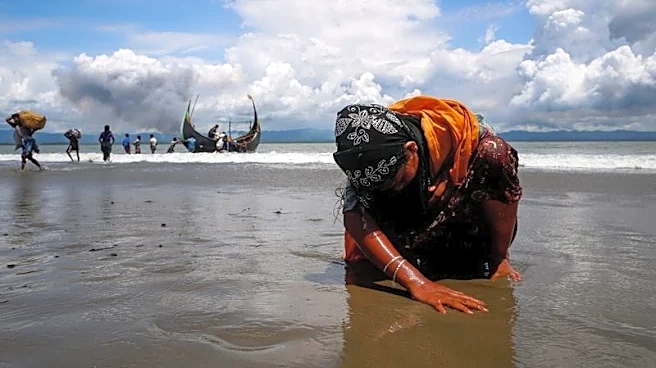
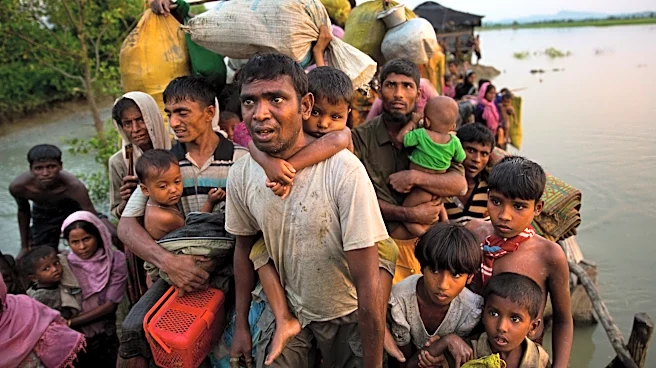
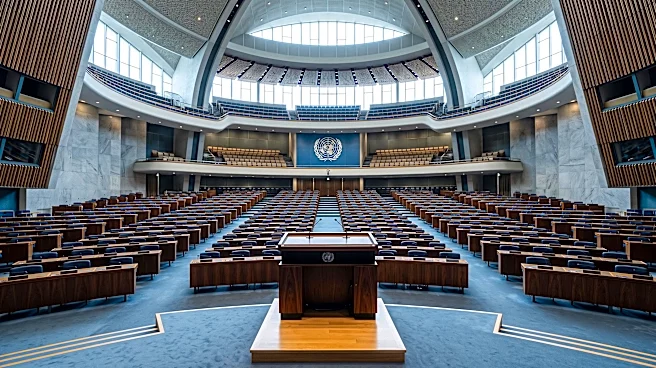
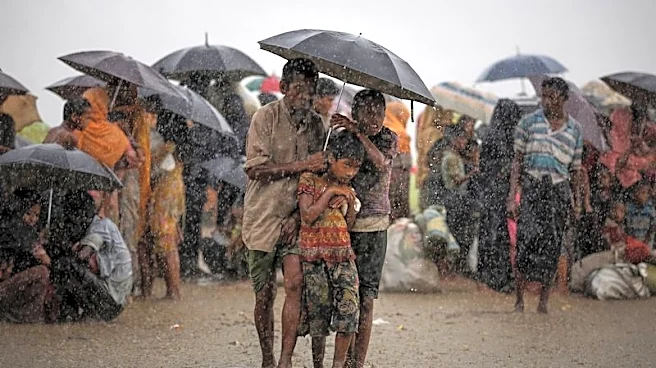
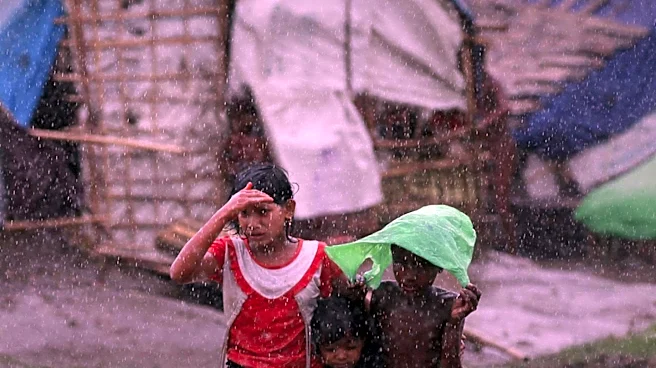
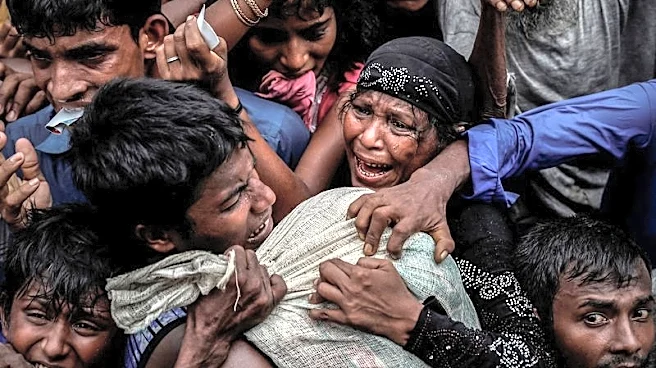
aid. The United States, which previously contributed half of the Rohingya education budget, ceased its contributions in 2025. This funding shortfall has left learning centers severely under-resourced and at risk of shutting down. Approximately 312,000 of the 500,000 school-age Rohingya children in Cox’s Bazar refugee camps are enrolled in U.N.-coordinated humanitarian education programs. The situation is exacerbated by population growth and new arrivals fleeing ongoing atrocities in Burma, adding about 90,000 more school-age children this academic year. HRW has also called on Dhaka and United Nations agencies to officially recognize and support the existing network of Rohingya-led community schools.
Why It's Important?
The cessation of U.S. funding for Rohingya refugee education has profound implications for the future of hundreds of thousands of children. Education is a critical tool for stability, empowerment, and long-term development, especially for a displaced population facing severe persecution. The potential closure of these schools could lead to a lost generation, increasing vulnerability to exploitation, radicalization, and further marginalization. This decision by the U.S. also signals a shift in its humanitarian aid priorities, potentially influencing other donor nations and exacerbating the funding crisis. The lack of educational opportunities could perpetuate cycles of poverty and displacement, undermining efforts to foster peace and stability in the region. Furthermore, it places additional strain on Bangladesh, which hosts a large refugee population with limited resources.
What's Next?
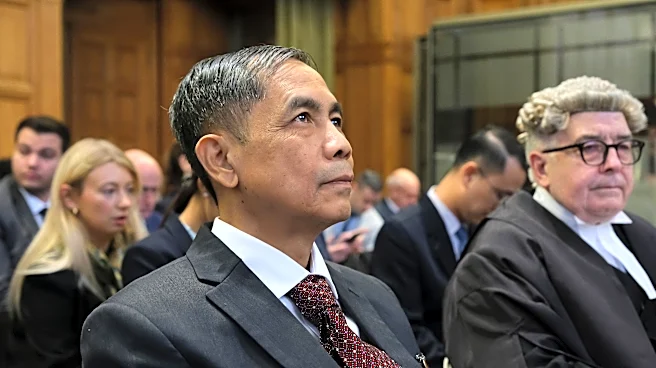
The immediate next steps involve urgent appeals from human rights organizations like HRW to donor governments to restore funding. The International Court of Justice (ICJ) is set to rule on November 19 in The Gambia’s genocide case against Burma, which could bring renewed international attention to the Rohingya crisis and potentially influence donor decisions. Stakeholders, including the Bangladeshi government and UN agencies, will need to explore alternative funding mechanisms and support structures for the Rohingya-led community schools. Without a swift reversal of funding cuts, many learning centers will likely close, forcing children out of classrooms. The long-term implications could include increased pressure on host communities and a heightened risk of social instability within the refugee camps.
Beyond the Headlines
The withdrawal of U.S. funding for Rohingya education highlights a broader trend of donor fatigue and shifting geopolitical priorities that often impact vulnerable populations disproportionately. This situation raises ethical questions about the international community's responsibility to protect and provide for refugees, especially those fleeing genocide. The lack of formal recognition and support for Rohingya-led community schools also points to systemic challenges in humanitarian aid delivery, where grassroots initiatives are often overlooked despite their effectiveness. This development could set a precedent for reduced aid to other refugee crises globally, signaling a potential retreat from humanitarian commitments. The long-term consequences could include a more destabilized region and a generation of children deprived of fundamental human rights.