





What's Happening?
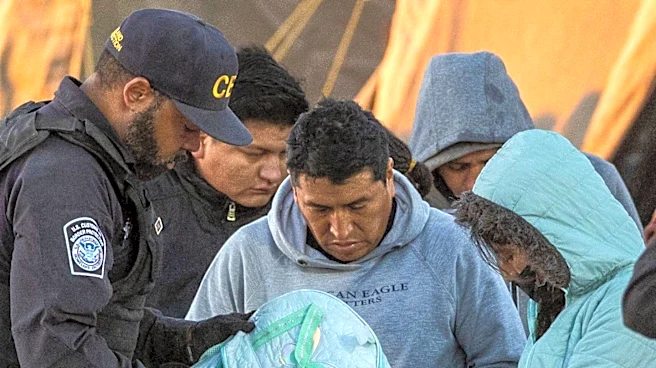
United States Border Patrol agents have arrested two Mexican pastors, Cinthia Sarai Cardona Otero and Nepthali Zozaya Saucedo, who were living in Texas. The couple, who are pastors at Comunidad Cristiana Emanuel, an Assemblies of God church in Edinburg,
Texas, were detained while traveling to attend a Billy Graham Evangelistic Association event. According to the U.S. Department of Homeland Security (DHS), the pastors entered the U.S. on visas in February 2022, which expired on July 7, 2022, and they overstayed for four years. They have been released on Alternatives to Detention and are required to report to the Harlingen Field Office in six months. Their case will be heard by a Justice Department immigration judge. Critics, including the Latino Christian National Network, argue that the pastors were wrongfully detained as they were in the process of obtaining lawful permanent residence.
Why It's Important?
The arrest of the pastors highlights ongoing tensions and complexities in U.S. immigration enforcement, particularly concerning individuals who overstay their visas. This case underscores the challenges faced by religious leaders and immigrants who are navigating the legal system while contributing to their communities. The situation also reflects broader debates about immigration policy and enforcement practices in the U.S., especially concerning individuals with strong community ties and those involved in religious and humanitarian work. The outcome of this case could influence public perception and policy discussions regarding immigration enforcement and the treatment of religious figures in similar situations.
What's Next?
The pastors are required to report to immigration authorities and their case will be reviewed by an immigration judge. The decision could set a precedent for how similar cases are handled in the future, particularly for religious leaders and community figures. The Latino Christian National Network and other advocacy groups may continue to support the pastors and push for policy changes that protect religious leaders from detention. The case may also prompt discussions within the religious community about the role of faith-based organizations in supporting immigrants and advocating for more compassionate immigration policies.