
What's Happening?
The Trump administration's decision to cut 20% of the workforce at the National Oceanic and Atmospheric Administration has led to significant changes in weather data collection, particularly affecting
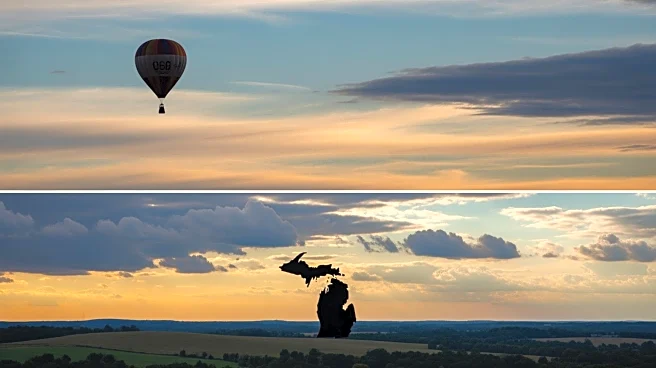
weather balloon operations. These balloons, crucial for gathering upper atmospheric data, are now launched at off-cycle hours at several sites, causing delays in the computer models used by meteorologists for weather predictions. While some meteorologists argue that the reliability of forecasts has suffered due to these changes, others believe that off-cycle data can still provide valuable insights. The cuts were part of a broader effort by President Trump to reduce federal spending, which reportedly saved the government $214 billion. Private companies, such as Windborne, are attempting to fill the gaps left by these cuts, claiming that the economic benefits of accurate weather data far outweigh the costs.
Why It's Important?
The reduction in weather balloon launches and the subsequent gaps in data have raised concerns about the accuracy of weather forecasts, which are critical for various sectors including agriculture, shipping, and emergency response. Accurate weather predictions are essential for preparing for natural disasters and mitigating their impacts. The reliance on private companies to provide weather data could lead to a shift in how meteorological information is gathered and utilized, potentially affecting public access to reliable forecasts. The cuts also highlight ongoing debates about the role of government versus private entities in providing essential services, with implications for public policy and federal spending priorities.
What's Next?
The federal government is in the process of rehiring hundreds of positions at the National Weather Service that were cut, with plans to fill these roles by September 2026. This move aims to restore the capacity for comprehensive weather data collection and improve forecast accuracy. As private companies continue to expand their role in weather data provision, there may be further discussions on the balance between public and private sector involvement in meteorology. The long-term impact of these changes on weather forecasting and related industries remains to be seen.
Beyond the Headlines
The shift towards private sector involvement in weather data collection raises ethical and legal questions about data ownership and access. As private companies like Windborne claim to offer 'weather certainty,' there is potential for increased commercialization of weather information, which could affect public access to free and accurate forecasts. Additionally, the reliance on private entities may lead to disparities in data availability and quality, depending on geographic and economic factors. These developments could influence future policy decisions regarding federal investment in meteorological services.