










What's Happening?
In Cambridge, Massachusetts, residents are demanding answers from the Cambridge City Council regarding the shutdown of the ShotSpotter gunshot detection system following a deadly shooting incident. The community, along with the victim's family, is questioning
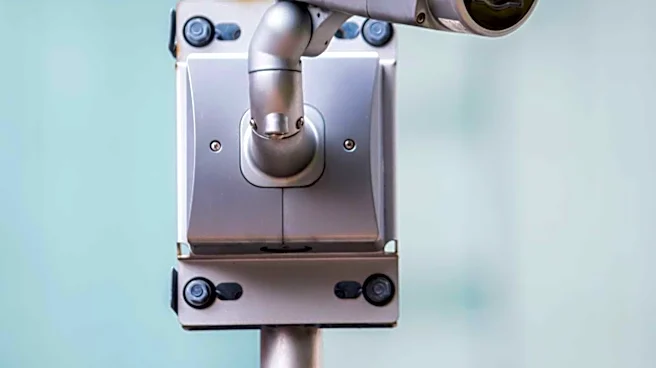
the decision to deactivate the technology, which is designed to detect and locate gunfire in urban areas. The incident has raised concerns about public safety and the effectiveness of current measures in place to prevent gun violence. The ShotSpotter system, which uses acoustic sensors to identify gunshots, was previously operational in the area but has since been turned off, prompting residents to seek explanations and assurances from local authorities.
Why It's Important?
The situation in Cambridge highlights the ongoing debate over the use of technology in law enforcement and public safety. ShotSpotter, a tool used by many cities to combat gun violence, has been both praised for its ability to quickly alert police to gunfire and criticized for potential privacy concerns and questions about its accuracy. The shutdown of the system in Cambridge could have significant implications for how cities balance technological solutions with community trust and privacy. The outcome of this situation may influence other municipalities considering similar technologies, impacting public policy and law enforcement strategies across the U.S.
What's Next?
The Cambridge City Council is expected to address the community's concerns in upcoming meetings, where they will likely discuss the reasons behind the ShotSpotter system's deactivation and explore alternative measures to enhance public safety. Residents and advocacy groups may push for the reinstatement of the technology or propose new solutions to address gun violence. The council's response and any subsequent actions could set a precedent for how other cities handle similar issues, potentially affecting future deployments of gunshot detection systems nationwide.