




What's Happening?
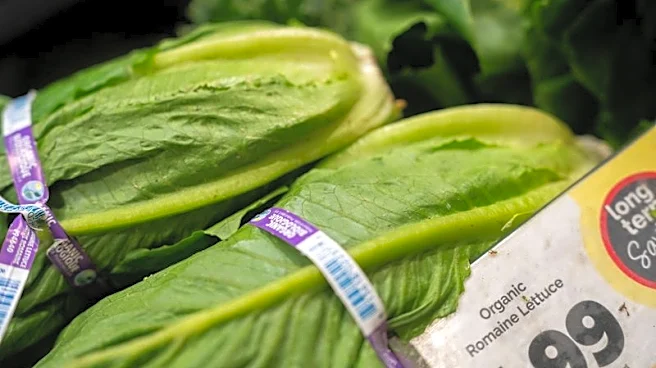
The U.S. is experiencing a surge in foodborne illnesses, with cyclosporiasis leading to over 16,000 cases and 300 hospitalizations this summer. Experts warn that the country may not have reached the peak of such outbreaks, with future threats including
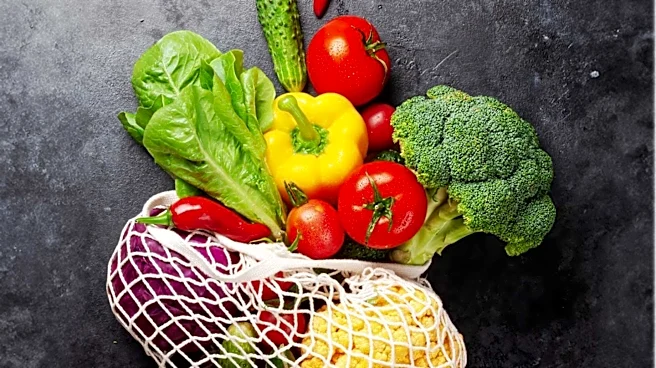
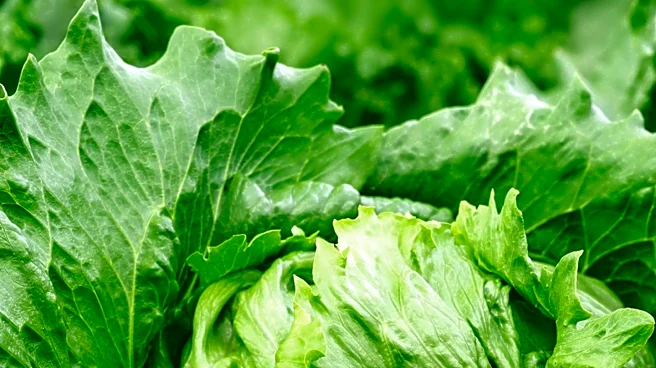
E. coli, Salmonella, and Listeria. Factors contributing to this rise include changing diets, climate change, and limitations in public health surveillance. The FDA has struggled to meet inspection targets, and recent changes to the CDC's FoodNet system have raised concerns about the nation's ability to monitor and respond to outbreaks effectively.
Why It's Important?
The increase in foodborne illnesses poses significant public health challenges, potentially affecting millions of Americans. The situation highlights vulnerabilities in the U.S. food safety system, exacerbated by climate change and evolving dietary habits. The inability to effectively track and respond to outbreaks could lead to more severe health outcomes and economic impacts. Ensuring food safety requires robust surveillance, timely interventions, and public awareness to mitigate risks associated with contaminated food products.
What's Next?
Addressing these challenges will require coordinated efforts from federal agencies, state health departments, and the food industry. Enhancing surveillance systems, improving inspection processes, and investing in research to understand the impact of climate change on food safety are critical steps. Public education on safe food handling practices and the risks associated with certain food choices will also be essential in reducing the incidence of foodborne illnesses.