






What's Happening?
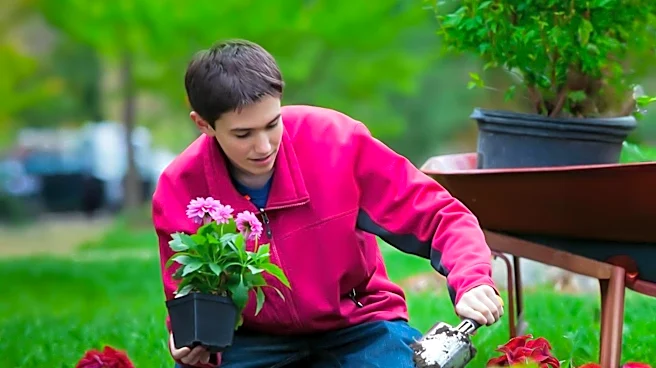
Hidayah Osman, a student at the University of Wisconsin-Milwaukee (UWM), has been actively involved in documenting urban gardens across Milwaukee. As part of her undergraduate research, Osman visited various urban gardens, collecting oral histories from
individuals who cultivate vegetables and flowers in these community spaces. A significant aspect of her project included designing a cookbook featuring recipes contributed by gardeners from the Cherry Street Community Garden. This initiative allowed Osman to explore different areas of Milwaukee and appreciate the city's diverse landscapes. Her involvement in undergraduate research, specifically with the Buildings-Landscapes-Cultures Field School, transformed her college experience, providing opportunities beyond traditional coursework. Osman, who came to the U.S. from Malaysia, is also pursuing a minor in Chinese and has participated in study abroad programs in China, aiming to become an architect working across different languages and cultures.
Why It's Important?
This project highlights the growing importance of urban gardening initiatives in fostering community engagement and cultural exchange within U.S. cities. By collecting oral histories and creating a community cookbook, Osman's work preserves local knowledge about sustainable food practices and strengthens social bonds among diverse populations. Urban gardens often serve as vital green spaces in densely populated areas, contributing to local food security, environmental education, and neighborhood revitalization. The project also underscores the value of experiential learning and undergraduate research in shaping students' academic and professional paths, particularly for those from immigrant backgrounds. Such initiatives can inspire other educational institutions to support similar community-focused research, promoting a deeper understanding of urban environments and the people who inhabit them.
What's Next?
Osman has one year remaining in her five-year Bachelor of Architecture program and is considering pursuing graduate studies. Her experience with urban gardens and her linguistic and cultural skills position her to potentially contribute to architectural projects that integrate community needs and sustainable design principles. The collected oral histories and the cookbook could serve as valuable resources for future urban planning and community development efforts in Milwaukee, potentially inspiring further research or public programs focused on urban agriculture. The success of this project may also encourage UWM and other universities to expand their support for interdisciplinary research that connects students with local communities and addresses contemporary urban challenges.
Beyond the Headlines
Osman's journey from Malaysia to Milwaukee and her engagement with urban gardening reveal deeper themes of adaptation, cultural integration, and the power of education to transform lives. Her work goes beyond simply documenting gardens; it captures the human stories and cultural heritage embedded within these green spaces. The project subtly addresses issues of food justice and access to fresh produce in urban settings, particularly for immigrant and low-income communities. By focusing on oral histories, it gives voice to often-overlooked community members, validating their experiences and contributions. This initiative also exemplifies how academic research can be a tool for social good, fostering a sense of belonging and empowering individuals to shape their local environments.