







What's Happening?
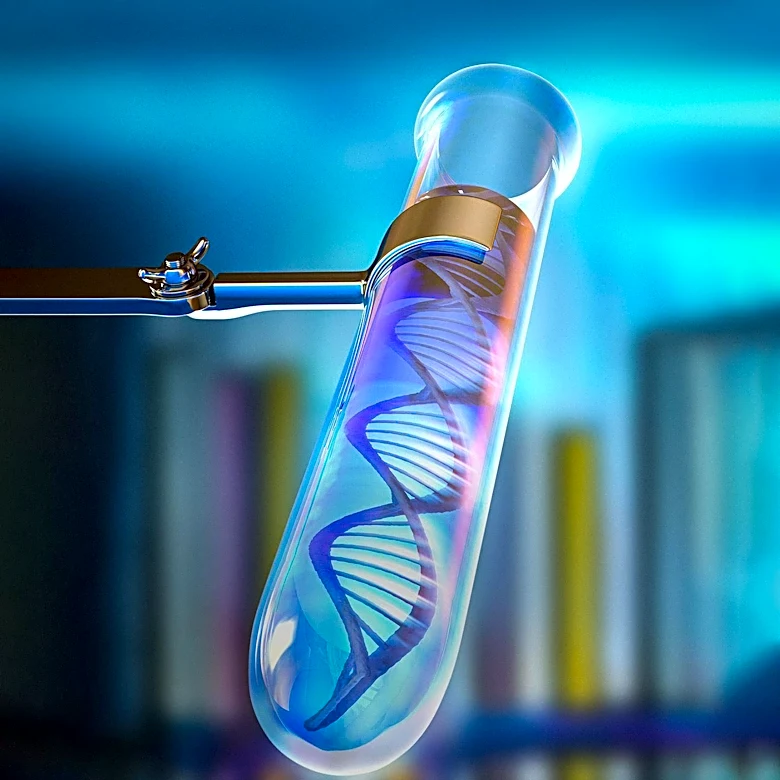
A new report titled 'Microplastics in Me: Finding Plastics in Human Blood' has revealed detectable levels of microplastics in 96% of individuals tested across the U.S. and Canada. The analysis, a first-of-its-kind effort, found eight different types of plastic polymers
in 27 out of 28 sampled individuals. These individuals, publicly identified and involved in music, art, entertainment, media, politics, and public policy, had their blood drawn between 2025 and 2026. The study, a project of the Small Change Fund with partners including the Plastic Pollution Coalition, Plastic People, and the Canadian Association of Physicians for the Environment (CAPE), involved analyses at the University of New Mexico and the University of Hawai'i at Manoa. Key findings indicate a wide range of micro and nano plastic particles, from 1,890 to 197,000 per microliter of blood, with over 90% of detected particles being less than 500 nanometers in diameter. Common plastics found include ABS, Nylon 6, Nylon 6,6, Polyethylene, PET, Polystyrene, PVC, and SBR.
Why It's Important?
The widespread detection of microplastics in human blood underscores a significant and growing public health concern in the U.S. and Canada. As Dianna Cohen, Co-Founder and Chief Vision Officer of the Plastic Pollution Coalition, stated, these results, while not unexpected given environmental pollution, are 'shocking and unacceptable.' The presence of microplastics in the bloodstream suggests a potential pathway for these particles to reach various organs, including the brain, given their small size. While the full impact is still under investigation, mounting research links plastic contamination to negative health outcomes such as heart disease, neurodegenerative disorders, and reproductive issues, including infertility. This report highlights that plastic pollution is not merely an environmental problem but a direct threat to human health, affecting individuals regardless of their location, background, or profession. The findings call for urgent action to address plastic pollution at its source and to support plastic-free, non-toxic solutions.
What's Next?
The report emphasizes the urgent need for increased research and regulatory focus on plastics as a human health concern. Experts like Matthew Campen, PhD, from the University of New Mexico, advocate for federal-level regulations to limit exposure, noting that plastics take decades to degrade. Rick Smith, a Canadian Author and Environmentalist, stresses the need for an urgent new agenda of research and regulatory reform. The findings are expected to prompt further scientific inquiry into how microplastics affect human health and how individuals can protect themselves. Additionally, the report may galvanize advocacy efforts from organizations like the Plastic Pollution Coalition and CAPE to push for policy changes aimed at reducing plastic production and promoting sustainable alternatives. The involvement of notable individuals in the study aims to raise awareness and encourage broader public and governmental engagement on this issue.
Beyond the Headlines
The pervasive presence of microplastics in human blood, as revealed by this study, points to a deeper societal challenge related to our reliance on plastic. This issue transcends environmental concerns, touching upon ethical considerations regarding corporate responsibility in plastic production and disposal, and the long-term health equity implications for populations disproportionately exposed to plastic pollution. The study's findings could trigger a cultural shift in consumer behavior and product design, moving towards a 'plastic-free' ethos. It also highlights the limitations of current regulatory frameworks in addressing emerging contaminants like microplastics. The long-term shifts could include a re-evaluation of material science, increased investment in biodegradable alternatives, and a more holistic approach to public health that considers environmental factors as integral to human well-being. The ethical dimension extends to future generations, as the persistence of plastics means today's actions will have lasting consequences.