


What's Happening?
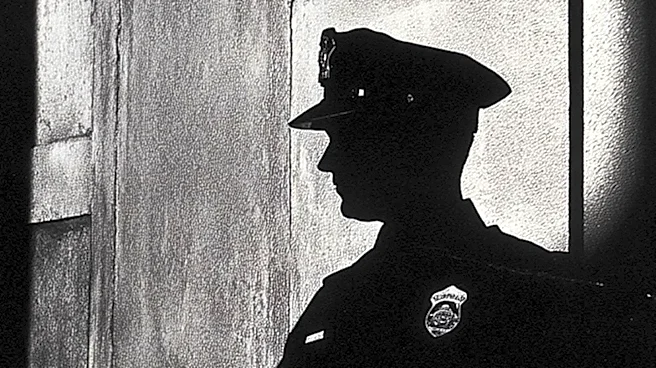
Police officers are tasked with a broad range of responsibilities essential for maintaining public safety and order. Their duties encompass enforcing laws, patrolling designated areas on foot or in vehicles, and investigating suspicious situations to
apprehend suspected offenders based on probable cause. Officers are authorized to carry firearms and other weapons to uphold law and order. They are also involved in developing leads, taking statements, and gathering facts for investigations. Furthermore, police officers conduct searches of vehicles, persons, and packages for contraband or weapons, and respond to bomb threats, which includes identifying and differentiating between harmless and hazardous materials. Traffic enforcement is another key area, involving the use of radar equipment to enforce speed limits, issuing citations for various traffic violations, and investigating accidents by documenting scenes, recording measurements, and photographing evidence. These roles are critical for the security of communities, including the protection of employees, visitors, patients, and contractors, as well as safeguarding institutional assets.
Why It's Important?
The comprehensive nature of police officers' duties underscores their critical role in the functioning and safety of U.S. communities. Their presence and actions directly impact public trust, crime rates, and the overall sense of security among citizens. Effective law enforcement, including proactive patrolling and thorough investigations, is vital for deterring criminal activity and ensuring that justice is served. The ability of officers to respond to diverse emergencies, from traffic accidents to bomb threats, highlights their indispensable contribution to crisis management and public protection. Moreover, their involvement in enforcing traffic laws and investigating accidents contributes to road safety, reducing injuries and fatalities. The protection of institutional assets, such as those at research facilities, also has broader implications for national security and economic stability by safeguarding valuable intellectual property and infrastructure. The multifaceted responsibilities of police officers are fundamental to maintaining societal order and supporting the well-being of individuals and communities across the nation.
What's Next?
The ongoing evolution of policing practices will likely focus on enhancing training programs to address the complex and diverse challenges faced by officers. This includes advanced training in de-escalation techniques, community engagement, and specialized responses to emerging threats such as biohazards and cybercrime. There may also be increased emphasis on integrating technology, such as advanced surveillance systems and data analytics, to improve crime prevention and investigation efficiency. Discussions around police reform and accountability are expected to continue, potentially leading to policy changes that balance law enforcement effectiveness with civil liberties and community relations. Furthermore, efforts to recruit and retain qualified officers will remain a priority, given the demanding nature of the job and the need for a skilled workforce. Public discourse will continue to shape the future direction of policing, influencing resource allocation, operational strategies, and the development of community-oriented policing initiatives.
Beyond the Headlines
Beyond the immediate enforcement of laws, the extensive duties of police officers touch upon deeper societal implications, including the balance between security and individual freedoms. The power to search individuals and property, for instance, raises questions about privacy rights and the potential for overreach, necessitating clear legal frameworks and oversight. The psychological toll on officers, who regularly confront dangerous and traumatic situations, is also a significant, often overlooked, aspect. This can lead to issues such as PTSD and burnout, impacting officer well-being and retention. Furthermore, the relationship between law enforcement and diverse communities is a continuous area of focus, with ongoing efforts to build trust and address historical grievances. The ethical considerations involved in policing, such as the use of force and the application of discretion, are constantly under scrutiny, shaping public perception and influencing policy debates about justice and equity. These underlying factors contribute to the complex and critical role of police officers in a democratic society.