



What's Happening?
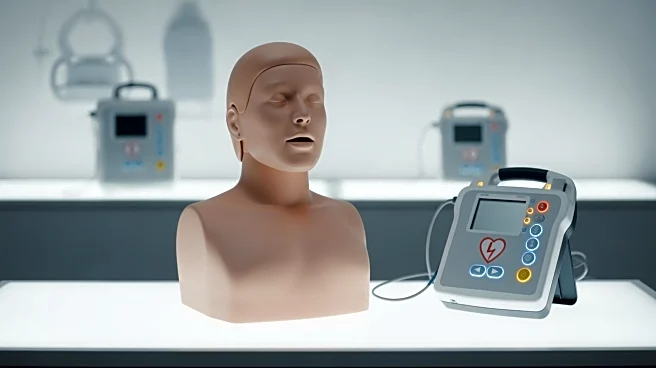
The American Heart Association, in collaboration with Laerdal Medical, has launched a new Self-Guided Learning model for resuscitation training across the United States. This initiative allows learners to complete Basic Life Support (BLS), Advanced Cardiac
Life Support (ACLS), and Pediatric Advanced Life Support (PALS) courses at their convenience. The training combines online coursework with hands-on skills sessions at CPR Verification Stations, which use advanced simulation technology to provide real-time feedback. This model aims to increase access to high-quality resuscitation training, accommodating the schedules of healthcare professionals, workplace safety personnel, and emergency responders.
Why It's Important?
The introduction of Self-Guided Learning in resuscitation training addresses the challenges faced by individuals who require credentialed training but have limited access to in-person instruction. By offering flexible, science-based training options, the American Heart Association is removing barriers to access and ensuring that more people are prepared to respond effectively in emergencies. This initiative supports the organization's goal of doubling cardiac arrest survival rates by 2030. The widespread availability of this training model could lead to improved public health outcomes and increased survival rates from cardiac events.
What's Next?
The Self-Guided Learning model is currently available in 47 states, with plans to expand to all 50 states. As the program grows, it is expected to reach more individuals in remote and rural areas, further increasing access to life-saving training. The American Heart Association will continue to monitor the program's impact and explore additional ways to enhance resuscitation education. The success of this initiative could serve as a model for other training programs, potentially leading to broader adoption of self-guided learning in various fields.