




What's Happening?
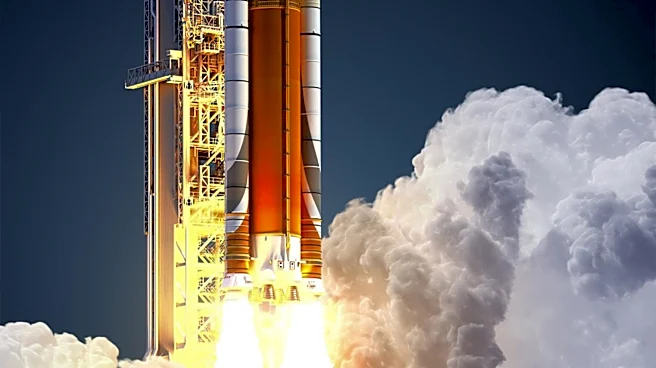
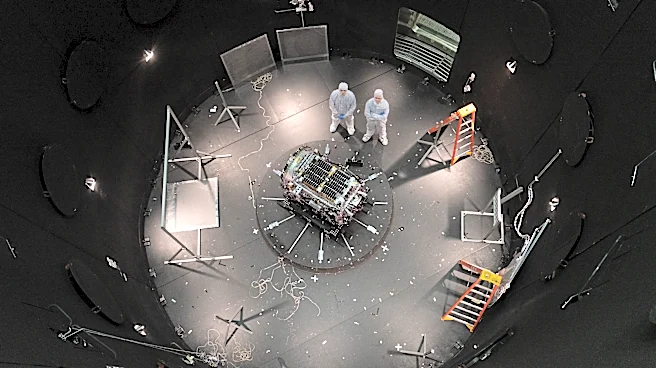
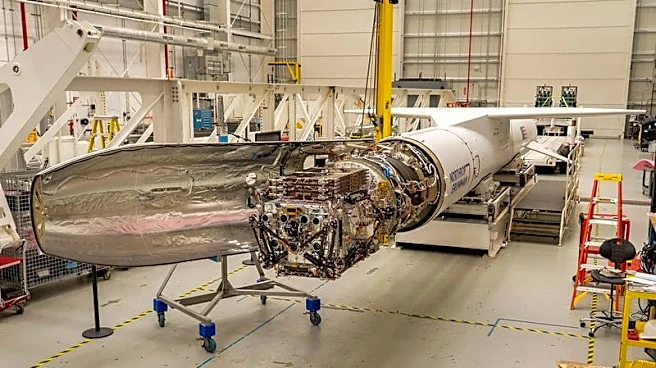
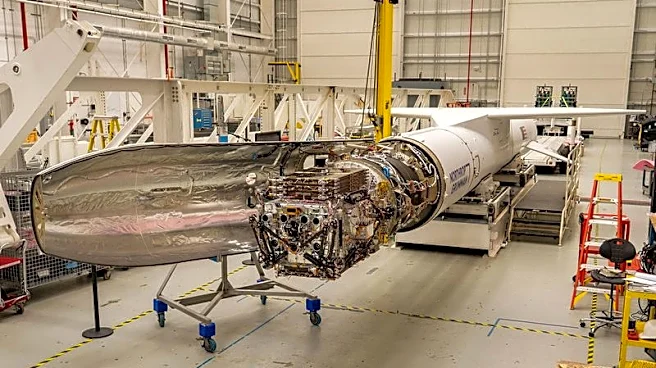
NASA has launched a rescue mission to save its Swift Observatory, which is at risk of crashing back to Earth due to recent solar storms. The mission involves a three-armed spacecraft, launched by Northrop Grumman from the Marshall Islands, which aims
to capture and boost the telescope's orbit. The Swift Observatory, launched in 2004, is currently experiencing a faster descent due to increased atmospheric drag caused by solar activity. NASA has contracted Katalyst Space Technologies for $30 million to execute this mission, which is expected to take about a month. The goal is to raise the telescope's altitude by 150 miles to extend its operational life, allowing it to continue observing cosmic phenomena such as gamma-ray bursts. The mission was expedited due to the telescope's critical condition, with a predicted crash by October if not addressed.
Why It's Important?
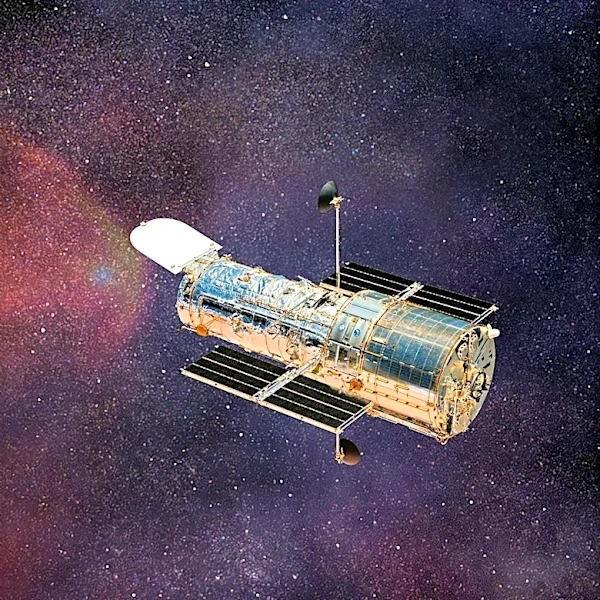
The successful execution of this mission is crucial for maintaining NASA's ability to monitor significant cosmic events. The Swift Observatory plays a vital role in tracking gamma-ray bursts and other astronomical phenomena, contributing to scientific understanding and research. The mission underscores the challenges posed by solar activity on satellite operations, highlighting the need for timely interventions to preserve valuable space assets. Additionally, the operation sets a precedent for future satellite rescue missions, potentially including the Hubble Space Telescope, which faces similar risks. The mission's success could influence future strategies for satellite maintenance and prolong the life of critical space infrastructure.
What's Next?
If the mission proceeds as planned, the Swift Observatory could resume its scientific operations by September. The success of this mission may lead to similar efforts for other aging satellites, such as the Hubble Space Telescope, which is also experiencing altitude loss. The outcome of this mission could prompt NASA and other space agencies to develop more robust strategies for satellite maintenance and orbit correction, especially in light of increasing solar activity. The space industry may see increased investment in technologies designed to extend the operational life of satellites, ensuring continued scientific and commercial benefits.