








What's Happening?
The United States Department of Agriculture (USDA) has designated several counties in Nebraska as natural disaster areas due to severe drought conditions. This designation allows the USDA Farm Service Agency (FSA) to provide emergency credit to agricultural
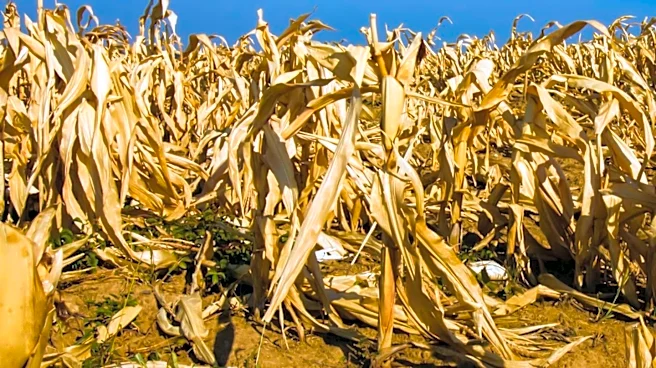
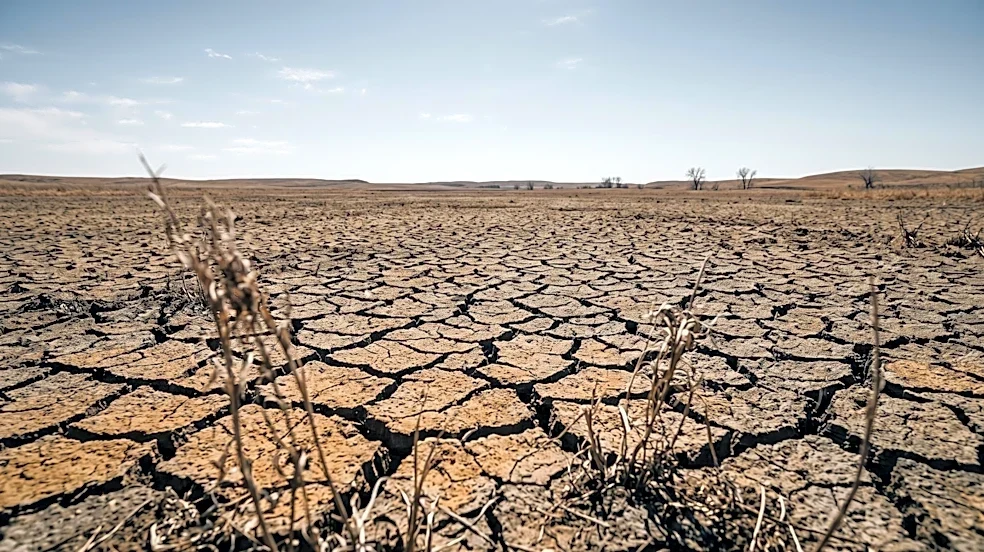
producers affected by the drought. Farmers and ranchers in Blaine, Brown, Harlan, and Thomas counties, along with numerous contiguous counties in Nebraska and parts of Kansas, are now eligible for emergency loans. These loans are intended to help producers recover from losses, replace essential items like equipment or livestock, reorganize farming operations, or refinance certain debts. The U.S. Drought Monitor indicated that these counties experienced D2 Drought-Severe conditions for eight or more consecutive weeks, or D3 Drought-Extreme or D4 Drought-Exceptional levels during the growing season. Specific application deadlines for these emergency loans vary by the triggering disaster designation, with dates ranging from February 1, 2027, to May 3, 2027.
Why It's Important?
This USDA designation is crucial for the agricultural sector in Nebraska and surrounding areas, which are heavily reliant on consistent weather patterns for crop and livestock production. Drought conditions can lead to significant financial strain for farmers, impacting crop yields, livestock health, and overall farm profitability. The availability of emergency loans through the FSA provides a vital financial lifeline, helping to mitigate the economic fallout for individual producers and the broader agricultural economy. Without such assistance, many farms could face severe operational challenges, potentially leading to closures or significant reductions in output. The support aims to stabilize agricultural businesses, ensuring continued food production and economic activity in these rural communities. The long-term impact of prolonged drought can also affect food prices and supply chains, making this federal intervention a key measure to maintain agricultural stability.
What's Next?
Affected producers in the designated Nebraska counties and contiguous areas should contact their local USDA Service Centers to apply for emergency loans. The FSA will review loan applications based on the extent of losses, available security, and repayment ability. Farmers.gov offers resources such as the Disaster Assistance Discovery Tool, a Disaster Assistance-at-a-Glance fact sheet, and a Loan Assistance Tool to help producers determine their eligibility and explore available program or loan options. The application deadlines are critical, with the earliest being February 1, 2027, and the latest May 3, 2027, depending on the specific disaster designation. Producers are encouraged to file a Notice of Loss promptly and seek guidance on the application process to ensure they receive timely assistance.
Beyond the Headlines
The recurring need for natural disaster designations due to drought highlights broader concerns about climate patterns and their impact on U.S. agriculture. While immediate relief through emergency loans addresses short-term financial crises, the long-term implications point to the need for enhanced drought resilience strategies. This includes exploring sustainable water management practices, drought-resistant crop varieties, and improved irrigation techniques. The economic stability of agricultural regions like Nebraska is increasingly vulnerable to extreme weather events, prompting discussions about federal agricultural policies that support adaptation and mitigation efforts. The ongoing challenges posed by drought also underscore the interconnectedness of environmental factors, agricultural productivity, and national food security, suggesting a need for comprehensive, forward-looking approaches to disaster preparedness and climate adaptation in the agricultural sector.