

What's Happening?
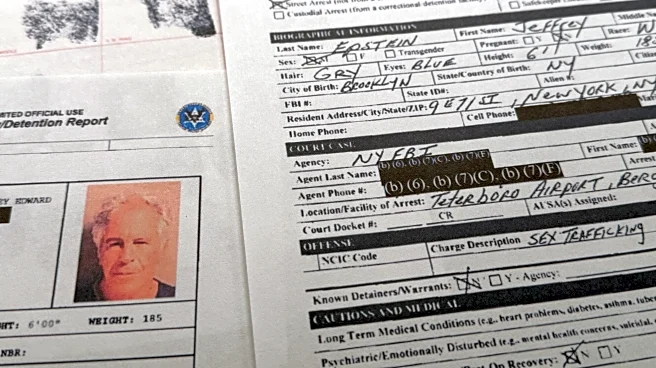
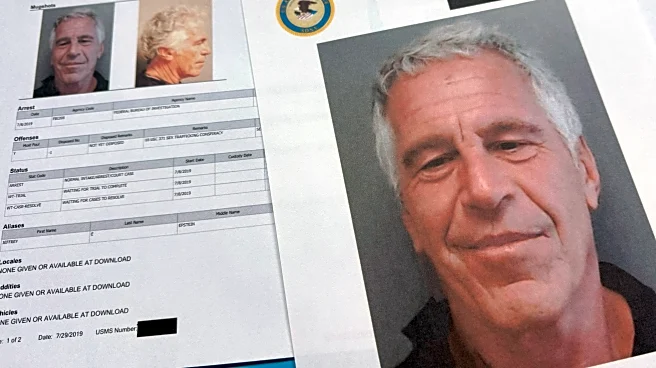
The Justice Department has announced a delay in the release of documents related to the Jeffrey Epstein case after uncovering over a million additional documents. This discovery was made by New York-based federal prosecutors and the FBI, although the exact
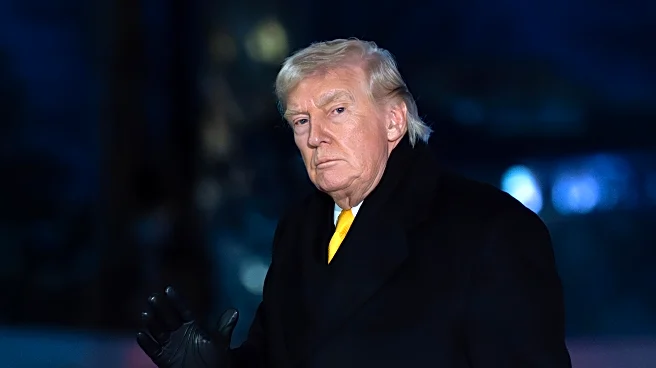
timing of the discovery was not specified. The department, led by Attorney General Pam Bondi, is working to redact sensitive information that could compromise the privacy of victims and accusers. The release of these documents is part of compliance with a law passed by Congress, which mandated the release by December 19. However, the process is now expected to take a few more weeks. The documents include material involving President Trump, former President Bill Clinton, and other VIPs, though none have been accused of wrongdoing. The delay has sparked criticism, particularly from Senate Minority Leader Chuck Schumer, who accused the administration of a cover-up.
Why It's Important?
The delay in releasing the Epstein documents is significant as it touches on issues of transparency and accountability within the government. The documents are part of a broader investigation into Epstein, a financier with connections to high-profile individuals, raising public interest and scrutiny. The delay could have political ramifications, especially with the upcoming 2026 midterm elections, as it may affect public perception of the administration's handling of the case. The bipartisan demand for transparency underscores the political sensitivity of the issue, with potential impacts on both parties. The situation also highlights the challenges in balancing transparency with privacy concerns for victims involved in such high-profile cases.
What's Next?
The Justice Department will continue its efforts to redact sensitive information from the newly discovered documents. The delay may lead to increased political pressure from both parties to expedite the release. Stakeholders, including political leaders and advocacy groups, may push for more transparency and accountability. The administration's handling of the situation will likely be closely monitored, with potential implications for public trust and political dynamics. The outcome of this process could influence legislative actions regarding transparency and privacy in future investigations.