



What's Happening?
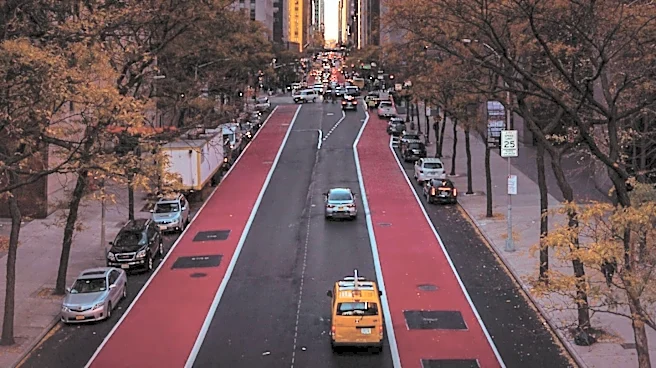
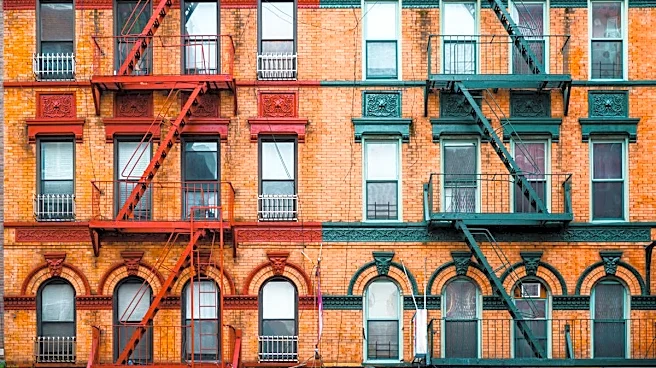
The intersection of Madison Avenue and 101st Street in New York City has been officially renamed for NYPD Officer John William Perry, who died during the September 11th attacks. The renaming ceremony, held on Saturday, saw Officer Perry's brother and sister
unveil the new street sign. Officer Perry, who was a lawyer and worked in the Bronx, was off-duty on September 11, 2001, but immediately responded to Ground Zero. He was the last of the 23 police officers confirmed to have died in the attacks. His family shared emotional testimonies, with his sister, Janice Perry Montoya, recalling her certainty that he would be at the scene, and his brother, Joel Perry, expressing that the pain of his loss remains as profound 25 years later. The street chosen for renaming is near Central Park, a place where Officer Perry frequently ran.
Why It's Important?
The renaming of a prominent New York City street in honor of Officer John William Perry serves as a significant act of remembrance and a permanent tribute to the sacrifices made during the September 11th attacks. This gesture reinforces the city's commitment to never forget the heroes who responded to the crisis, particularly those who, like Officer Perry, acted selflessly while off-duty. For the NYPD, it honors one of their own and highlights the inherent dangers and dedication of law enforcement personnel. For the families of 9/11 victims, such public recognitions provide a measure of comfort and ensure that their loved ones' legacies endure. This event also contributes to the collective memory of the nation, reminding current and future generations of the profound impact of the attacks and the resilience demonstrated in their aftermath. It underscores the importance of civic duty and heroism in times of national tragedy.
Beyond the Headlines
The renaming of a street for Officer John William Perry transcends a simple civic act; it is a powerful cultural statement about memory, sacrifice, and community identity. In a city as dynamic as New York, where physical spaces are constantly evolving, dedicating a street to a 9/11 hero permanently etches his story into the urban landscape. This act serves as a daily reminder to residents and visitors of the human cost of the attacks and the enduring spirit of those who responded. It also highlights the personal narratives often overshadowed by the scale of the tragedy, bringing focus to individual acts of bravery. Such memorials contribute to the ongoing process of healing and remembrance, ensuring that the lessons and sacrifices of 9/11 remain a part of the city's collective consciousness, fostering a sense of shared history and respect for public service.