
What's Happening?
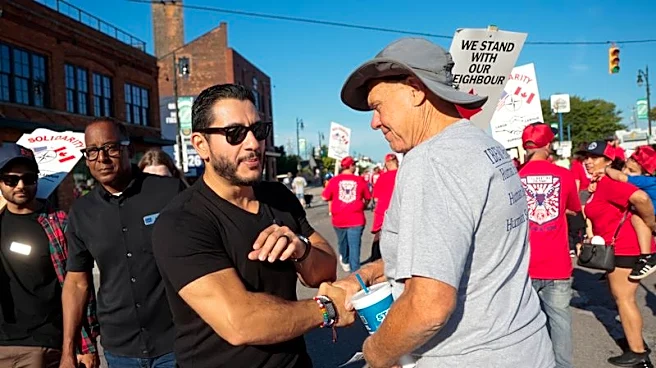
Republican Representative Monica De La Cruz is facing a challenge from Democratic congressional candidate and Tejano singer Bobby Pulido in the Rio Grande Valley. This development comes as Republicans
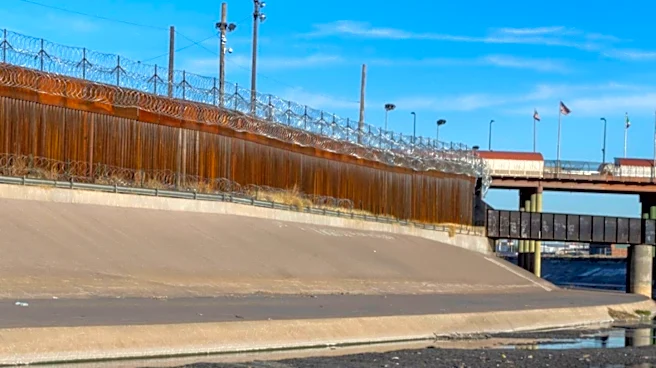
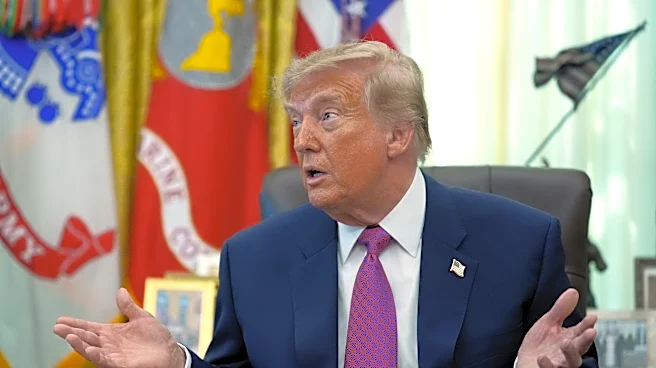
gather for a midterm convention in Dallas, heavily focused on President Trump. The selection of Dallas for the convention is seen by some, including Pulido's campaign manager Abel Prado, as a sign of Republican concern about the political landscape in Texas. Prado notes that while President Trump garnered significant support from some Hispanic voters in South Texas in 2024, this momentum has reportedly diminished. He attributes this decline to ongoing immigration enforcement operations, which he claims have negatively impacted the local economy, particularly depressing home construction due to workers' fears of enforcement actions. De La Cruz is among several Texas politicians and candidates participating in the convention, which aims to highlight GOP policy achievements and future aspirations.
Why It's Important?
The electoral contest involving Representative Monica De La Cruz and Bobby Pulido in the Rio Grande Valley is significant as it reflects broader shifts and challenges within the U.S. political landscape, particularly in Texas. The perceived waning support for President Trump among some Hispanic voters in South Texas, as noted by Abel Prado, could indicate a potential realignment of voter demographics in a historically Republican-leaning state. This shift, if sustained, could have substantial implications for future elections, potentially making Texas a more competitive battleground. The impact of immigration enforcement on the local economy, specifically on home construction, highlights how federal policies can directly affect local communities and influence voter sentiment. For the Republican Party, the need to energize its base, especially when President Trump is not on the ballot, is crucial. The convention in Dallas, designed to rally support and showcase GOP achievements, underscores the party's efforts to maintain its stronghold in Texas and other competitive districts. The outcome of races like De La Cruz's will be a key indicator of the effectiveness of these strategies and the evolving political preferences of the electorate.
What's Next?
The upcoming midterm elections will serve as a critical test for both Republican Representative Monica De La Cruz and Democratic challenger Bobby Pulido. The effectiveness of the Republican convention in Dallas in galvanizing the GOP base and addressing voter concerns, particularly regarding the economy and immigration, will be closely watched. The Democratic campaign will likely continue to emphasize the economic impacts of current policies and aim to capitalize on any perceived 'buyer's remorse' among voters who previously supported President Trump. The financial backing from political organizations, such as MAGA Inc.'s $10 million investment in television and digital advertisements for the Texas Senate race, indicates the high stakes involved in Texas elections. The performance of candidates like De La Cruz will provide insights into whether the Republican strategy of focusing on President Trump's record and framing Democrats as 'communists' resonates with voters, or if local issues and changing demographics will lead to different outcomes. The results in the Rio Grande Valley will be a bellwether for the broader political climate in Texas and potentially for national trends.
Beyond the Headlines
The contest between Monica De La Cruz and Bobby Pulido in the Rio Grande Valley extends beyond a typical congressional race, touching upon deeper cultural and economic narratives. The observation that President Trump's appeal among some Hispanic voters in South Texas has diminished, partly due to immigration enforcement, suggests a complex interplay between national policy, local economic realities, and ethnic identity. This could signal a re-evaluation of political allegiances within the Hispanic community, challenging the notion of a monolithic voting bloc. The Democratic campaign's assertion that voters are experiencing 'buyer's remorse' and realizing President Trump 'only cares about himself' points to a potential shift in how voters perceive political leadership and its impact on their daily lives. This election could highlight the long-term consequences of policies on local economies and the evolving political consciousness of communities along the U.S.-Mexico border. It also underscores the ethical considerations surrounding immigration enforcement and its broader societal effects, particularly on vulnerable populations and local industries.