
What's Happening?
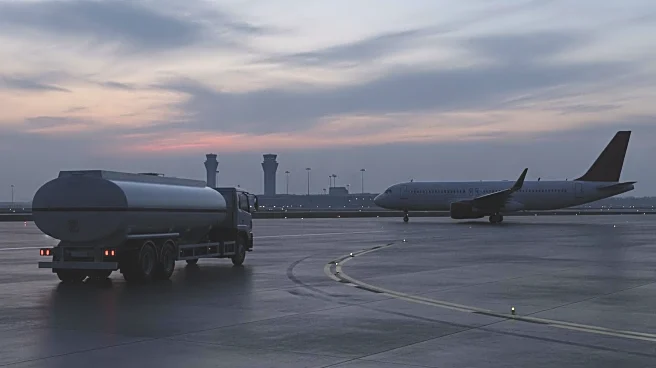
The Cuban government has announced that international airlines can no longer refuel in Cuba due to a shortage of aviation fuel. This development follows threats from President Trump to impose tariffs on any
country supplying oil to Cuba. The fuel shortage is expected to disrupt airline operations as Cuba's international airports will be affected for at least a month. This situation arises from the Trump administration's efforts to tighten sanctions on Cuba, particularly after a military operation aimed at deposing Venezuelan President Nicolás Maduro, a Cuban ally. The Cuban Foreign Ministry has condemned the U.S. actions, describing them as coercive and blackmailing.
Why It's Important?
The fuel shortage in Cuba is a direct consequence of U.S. sanctions, which aim to isolate the Cuban government economically. This move is part of a broader strategy by the Trump administration to exert pressure on Cuba by targeting its energy supplies. The impact is significant as it disrupts international travel and affects Cuba's tourism industry, a vital source of revenue for the country. The sanctions also strain Cuba's diplomatic relations with countries that might consider supplying oil, as they risk facing U.S. tariffs. This situation highlights the geopolitical tensions in the region and the U.S.'s influence over international trade with Cuba.
What's Next?
Cuba is likely to seek alternative sources of fuel or diplomatic solutions to mitigate the impact of the U.S. sanctions. Mexican President Claudia Sheinbaum has indicated that Mexico may send humanitarian aid to Cuba and is working on resuming oil shipments. The international community may respond with diplomatic efforts to ease the situation, while airlines operating in Cuba will need to adjust their logistics to cope with the fuel shortages. The U.S. may continue to enforce its sanctions, potentially leading to further economic and political repercussions in the region.