







What's Happening?
Charles Johnson, a 36-year-old man from Philipstown, has been arrested and charged with falsely reporting an incident. Johnson allegedly called Yorktown authorities on June 12, claiming that an individual was being held at gunpoint against their will.
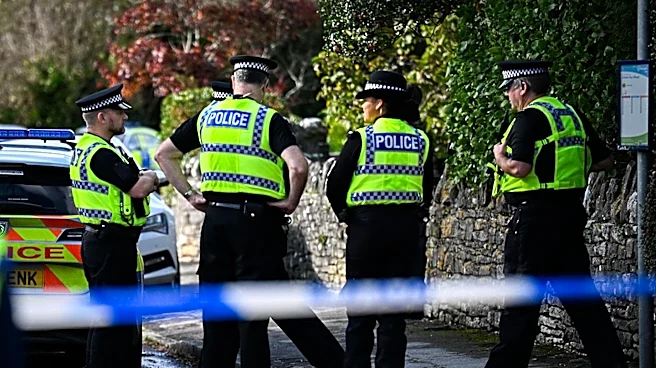
Yorktown Police responded to the reported residence but quickly determined that the report was false and that no one was in danger. Following an investigation, police identified Johnson as the caller, leading to a judge issuing a warrant for his arrest. Johnson was subsequently arrested and, after his arraignment, was released without bail. He is scheduled for a hearing on November 10.
Why It's Important?
This incident highlights the serious consequences of making false reports to emergency services. Such actions divert critical resources, including police personnel, from genuine emergencies, potentially endangering lives in other parts of the community. False reports can also lead to unnecessary fear and disruption for residents. The legal system's response, including potential incarceration and fines, underscores the gravity with which these offenses are treated. It serves as a deterrent against misusing emergency channels and emphasizes the importance of maintaining the integrity of 9-1-1 services for legitimate crises. The case also demonstrates the police's commitment to investigating and prosecuting individuals who make such false claims.
What's Next?
Charles Johnson is scheduled to appear for a hearing on November 10. During this hearing, further legal proceedings will likely take place to address the charge of falsely reporting an incident. If found guilty, Johnson faces potential penalties, including up to a year of incarceration in a county jail and/or fines of up to $1,000. The outcome of this hearing will determine the specific legal consequences for Johnson and will serve as a public reminder of the repercussions for misusing emergency services. The Yorktown Police Department will continue to process the case through the judicial system.
Beyond the Headlines
The broader implications of incidents like this extend beyond the immediate legal consequences for the individual. False emergency calls erode public trust in the 9-1-1 system and can desensitize emergency responders to calls that might otherwise be genuine. This can lead to a delay in response times for actual emergencies, potentially costing lives or exacerbating critical situations. Furthermore, the financial burden of deploying emergency services for false alarms is significant, impacting taxpayer resources that could otherwise be allocated to community safety initiatives. This case underscores the ethical responsibility of citizens to use emergency services judiciously and truthfully, ensuring that these vital resources remain available for those truly in need.