







What's Happening?
Good Agricultural Practices (GAP) are a set of methods farmers implement to safeguard their own health, the well-being of consumers, and the environment. While specific standards may vary by country due to differing regulatory frameworks, the core philosophy
of GAP remains consistent: prevention rather than troubleshooting. The implementation of GAP begins early in the agricultural process, from crop and field selection, continues through production and handling, and extends until the products reach the consumer. These practices are designed to ensure safer, higher-quality food and promote environmental sustainability. Key aspects of GAP include understanding contamination risks, proper soil preparation, effective management from seeding to harvesting, appropriate livestock care, maintaining personal hygiene, and ensuring proper storage and transportation within the food supply chain. Continuous training and education are considered essential for farmers and all participants in the agricultural supply chain to effectively implement these practices.
Why It's Important?
The widespread adoption of Good Agricultural Practices is crucial for several reasons, impacting public health, environmental sustainability, and economic stability for farmers. By focusing on prevention, GAP minimizes the risks of contamination in food products, thereby protecting consumers from foodborne illnesses and ensuring a safer food supply. This directly contributes to public health outcomes and builds consumer trust in agricultural products. Environmentally, GAP promotes sustainable farming methods that reduce negative impacts on ecosystems, such as soil degradation and water pollution, fostering long-term ecological balance. Economically, implementing GAP can lead to increased long-term income for farmers by improving crop quality, reducing waste, and enhancing market access for products that meet higher safety and quality standards. This framework also encourages continuous improvement and education within the agricultural sector, leading to a more skilled and informed workforce capable of adapting to evolving challenges and consumer demands.
What's Next?
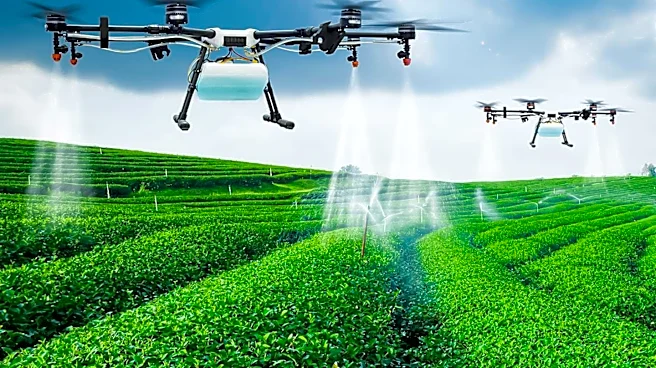
The ongoing emphasis on Good Agricultural Practices suggests a continued push for their broader implementation and adherence across the agricultural sector. Future developments will likely involve further standardization and harmonization of GAP guidelines across different regions and countries, aiming for more consistent global food safety and quality benchmarks. There will be an increased focus on farmer training and education programs, ensuring that all stakeholders in the supply chain are well-versed in the latest best practices and technologies. Regulatory bodies and local authorities, such as Ministries of Agriculture, will continue to play a pivotal role in providing detailed specifications and oversight for GAP implementation. Additionally, advancements in agricultural technology and data analytics may be integrated into GAP frameworks, allowing for more precise monitoring and management of farming operations to further enhance safety, quality, and sustainability. Consumer demand for transparent and ethically produced food will also likely drive further adoption and innovation in GAP.
Beyond the Headlines
The philosophy behind Good Agricultural Practices extends beyond mere compliance; it represents a fundamental shift towards a more responsible and holistic approach to food production. This mindset fosters a culture of accountability among farmers and throughout the food supply chain, recognizing the interconnectedness of human health, environmental well-being, and economic viability. The global push for GAP also highlights ethical considerations regarding food production, emphasizing the right of consumers to safe and healthy food, and the responsibility of producers to minimize their ecological footprint. Long-term, the widespread adoption of GAP could lead to significant transformations in agricultural landscapes, promoting biodiversity, improving soil health, and reducing reliance on harmful chemicals. It also underscores the importance of international cooperation in establishing common standards for food safety and sustainability, which is critical in an increasingly globalized food system. This commitment to prevention over remediation is a cornerstone for building a resilient and sustainable future for agriculture.