

What's Happening?
The United States has postponed a planned military strike on Iran, prompting Israel to prepare for potential involvement in the event of an attack. The Israeli Security Cabinet is set to meet to discuss defensive and offensive coordination with the U.S.
Israeli officials anticipate assisting the U.S. if a strike occurs, with responsibilities divided between the two nations. The delay in military action comes amid ongoing diplomatic efforts between Washington and Tehran, though the likelihood of escalation remains high. President Donald Trump holds the final decision on whether to proceed with military action, with options ranging from limited agreements to broad strikes under consideration.
Why It's Important?
The potential U.S. strike on Iran carries significant geopolitical implications, particularly for the Middle East region. Iran's capacity to retaliate with ballistic missiles, drones, and proxy forces poses a threat to Israel, U.S. forces, and Gulf states. The situation highlights the delicate balance between diplomatic negotiations and military readiness. A military confrontation could impact global oil markets, regional stability, and international relations. The involvement of Israel underscores the strategic alliance between the U.S. and its Middle Eastern ally, as well as the broader implications for regional security dynamics. The decision to delay the strike reflects the complexity of the situation and the potential consequences of military action.
What's Next?
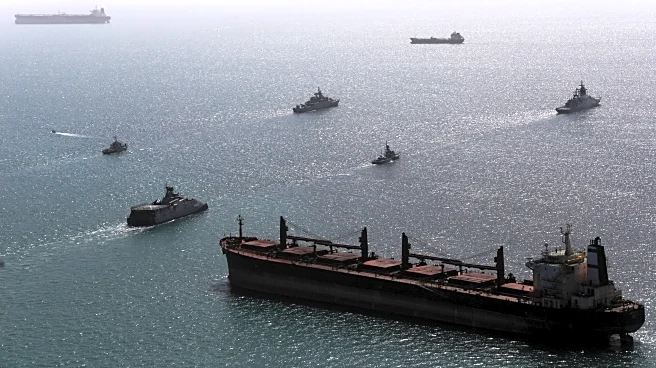
The timing of any U.S. military action will depend on various factors, including military readiness, political considerations, and regional dynamics. The arrival of the USS Gerald R. Ford aircraft carrier in the region signals a buildup of U.S. military presence, potentially indicating readiness for action. Diplomatic efforts may continue, but the risk of escalation remains. Israel's preparations suggest a readiness to support U.S. actions, with potential targets including Iran's missile and nuclear infrastructure. The situation remains fluid, with the possibility of rapid developments depending on diplomatic and military decisions.