







What's Happening?
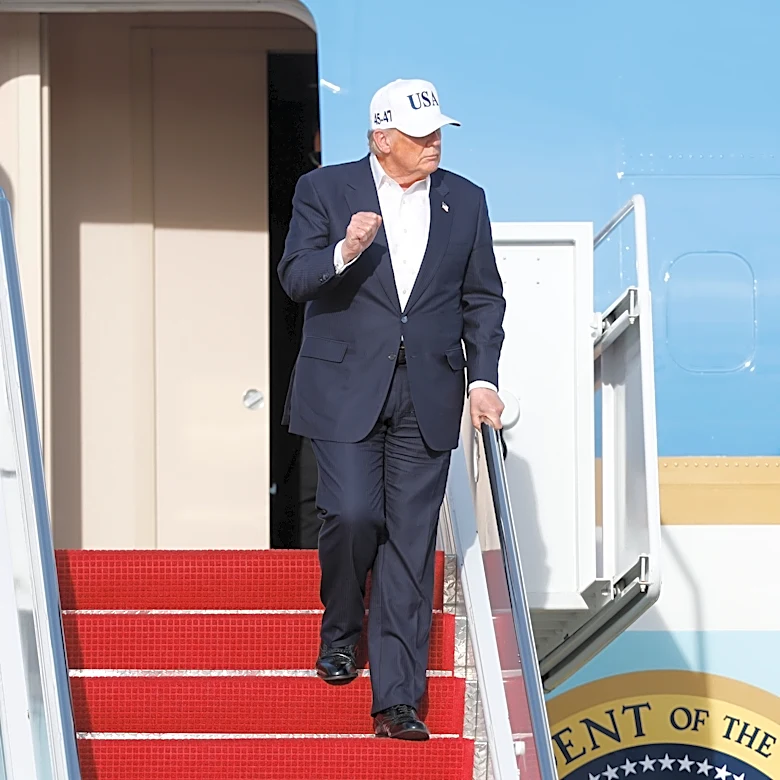
The Trump administration has implemented a policy that restricts key US infectious disease researchers from directly communicating with the World Health Organization (WHO) during ongoing virus outbreaks. This directive, affecting the National Institute
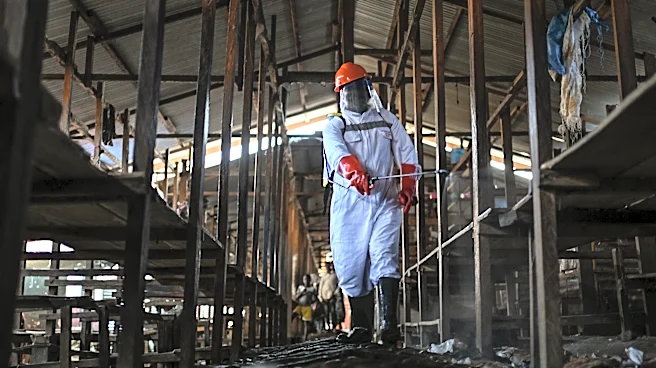
of Allergy and Infectious Diseases (NIAID), prevents staff from engaging in global discussions on virus outbreaks, such as the current Ebola epidemic in the Democratic Republic of Congo. While some NIAID officials can attend WHO meetings, they are limited to a 'listening capacity' and must channel any follow-up through the Department of Health and Human Services. This policy is part of a broader retreat from global health forums, following the US withdrawal from WHO in January. The restrictions have been criticized for hindering quick cooperation with global counterparts during public health emergencies.
Why It's Important?
The restrictions on US researchers' participation in WHO discussions could have significant implications for global health security. By limiting direct communication, the US may face challenges in effectively responding to international health crises, potentially delaying the identification and containment of outbreaks. This policy could weaken the US's role in global health leadership and undermine collaborative efforts to address public health threats. The leadership vacuum in key health positions, such as the director of the infectious disease agency and the surgeon general, further complicates the US's ability to manage health emergencies. The policy reflects ongoing tensions between the Trump administration and international health organizations, which could impact future cooperation and funding for global health initiatives.
What's Next?
The continuation of this policy may lead to further isolation of US health agencies from international health discussions, potentially affecting the country's preparedness for future outbreaks. The leadership vacancies in key health positions need to be addressed to ensure effective management of public health emergencies. The US's approach to global health cooperation may evolve depending on future administrative changes and international relations. Stakeholders, including public health officials and international organizations, may advocate for a reassessment of the policy to enhance global health collaboration and improve response strategies.
Beyond the Headlines
The policy's impact extends beyond immediate public health concerns, highlighting broader issues of international cooperation and trust in global health governance. The US's withdrawal from WHO and the restrictions on communication may influence other countries' perceptions of the US's commitment to global health. This could affect diplomatic relations and the US's ability to influence international health policies. The situation underscores the importance of maintaining open channels of communication and collaboration in addressing global health challenges, particularly in an increasingly interconnected world.