







What's Happening?
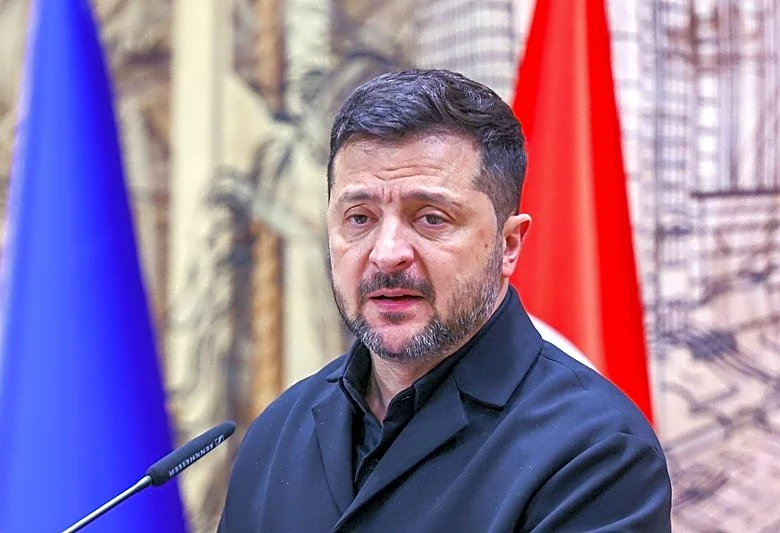
Zimbabwe President Emmerson Mnangagwa has underscored the critical need for his nation to translate agreements into tangible actions, particularly in the realm of domestic mineral processing. Speaking at the Russia-Africa Summit, President Mnangagwa highlighted
Zimbabwe's interest in collaborating with Russia on advanced energy solutions, including small modular reactors and floating nuclear power plants. He also expressed a desire to deepen partnerships in specialized industrial sectors such as the extraction of uranium and rare metals. President Mnangagwa articulated a clear distinction regarding international alliances, stating that diversifying partnerships is not about choosing sides but rather about strengthening the freedom of decision-making to serve the populace effectively. This stance reflects a broader strategy to enhance Zimbabwe's economic sovereignty and leverage its natural resources for national development. The summit saw significant engagement between Russia and various African leaders, with numerous agreements signed to bolster economic ties across the continent.
Why It's Important?
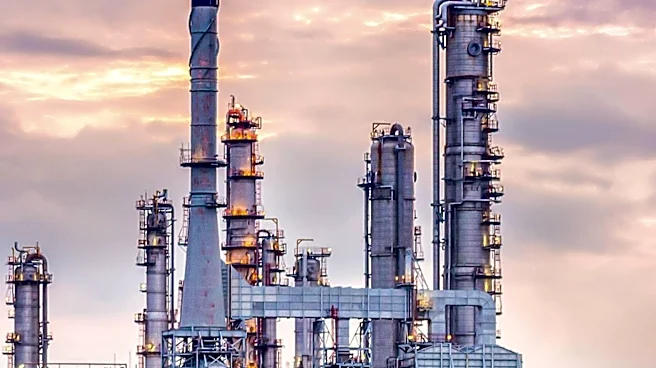
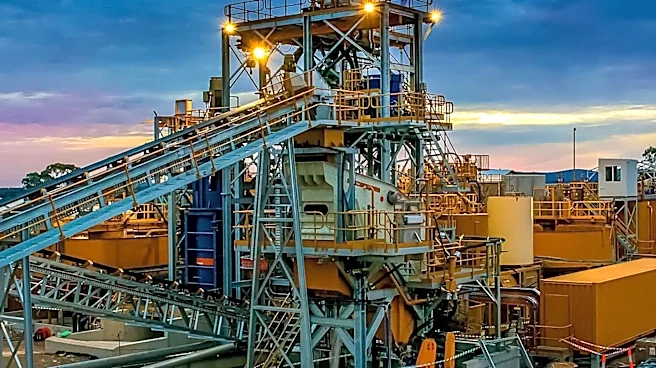
President Mnangagwa's emphasis on domestic mineral processing is crucial for Zimbabwe's economic development, as it aims to move beyond raw material export and capture more value within its borders. By processing minerals domestically, Zimbabwe can create more jobs, foster industrial growth, and increase its export earnings, thereby strengthening its national economy. The pursuit of diversified partnerships, particularly in advanced technological sectors like nuclear energy and rare metal extraction, is vital for Zimbabwe to access cutting-edge technologies and expertise that can drive its industrialization agenda. This approach also reduces reliance on any single foreign power, enhancing Zimbabwe's geopolitical flexibility and ensuring that its national interests are prioritized. The broader context of Russia's increased economic engagement with Africa suggests a shifting global landscape where African nations are seeking alternative partners to achieve their development goals, potentially altering traditional geopolitical alignments and creating new opportunities for economic growth and technological transfer.
What's Next?
Following President Mnangagwa's statements, Zimbabwe is expected to pursue concrete steps to implement the agreements made at the Russia-Africa Summit. This will likely involve detailed negotiations and feasibility studies for projects related to small modular reactors, floating nuclear power plants, and enhanced mineral extraction. The focus will be on turning these discussions into actionable plans that can attract investment and facilitate technology transfer. Furthermore, Zimbabwe will likely continue to explore partnerships with other nations beyond traditional allies, seeking to diversify its economic and technological collaborations. This strategy aims to bolster Zimbabwe's position in the global economy and ensure it has multiple avenues for development. The ongoing efforts to process more minerals domestically will require significant investment in infrastructure and training, which will be a key area of focus for the Zimbabwean government in the coming years.
Beyond the Headlines
President Mnangagwa's strategy of diversifying partnerships and prioritizing domestic mineral processing has deeper implications for Zimbabwe's long-term sovereignty and economic resilience. By reducing its dependence on exporting raw materials, Zimbabwe can mitigate the volatility of global commodity markets and build a more stable, value-added economy. The pursuit of advanced technologies like nuclear energy also signals a forward-looking approach to energy security and industrial modernization, which could position Zimbabwe as a more advanced economy in the region. Ethically, this approach could lead to more equitable distribution of wealth if the benefits of domestic processing are channeled into broader societal development. Legally, new agreements with diverse partners will require robust frameworks to ensure fair terms and environmental sustainability. Culturally, successful industrialization could foster national pride and self-reliance, transforming Zimbabwe's economic identity on the global stage.