






What's Happening?
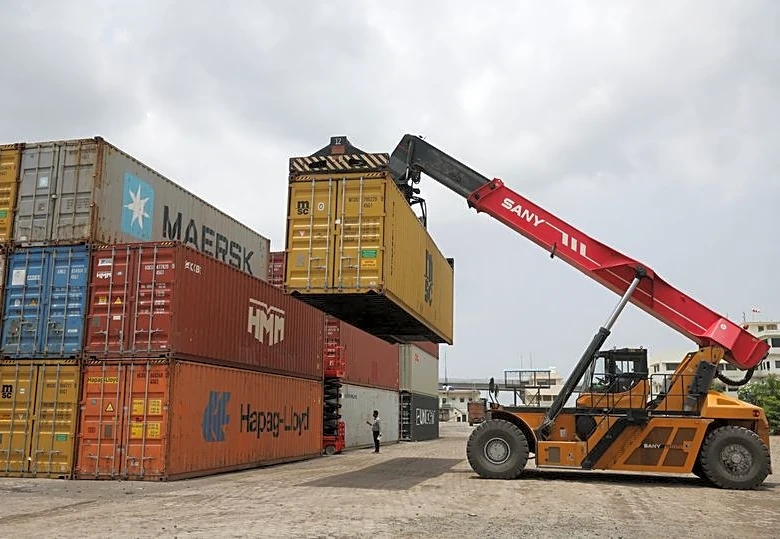
The Global Trade Research Initiative (GTRI) has raised concerns over the U.S. imposing a 10% tariff on Indian exports under Section 301. The U.S. claims the tariffs are in response to India's failure to prohibit forced labor effectively. However, GTRI argues
that the U.S. has not provided credible evidence to justify these tariffs. The tariffs were initially proposed at 12.5% but were reduced following India's ban on imports made with forced labor. GTRI suggests that the tariffs are more about maintaining U.S. trade barriers than addressing forced labor issues.
Why It's Important?
The imposition of these tariffs could strain U.S.-India trade relations, potentially impacting economic ties between the two countries. The lack of credible evidence for the tariffs raises questions about their legitimacy and could lead to legal challenges. If the tariffs are perceived as unjustified, they may prompt India to retaliate, affecting U.S. exports to India. This situation highlights the complexities of using trade policy to address human rights issues and the potential for such measures to be seen as protectionist rather than principled.
What's Next?
India may seek to challenge the tariffs through diplomatic channels or international trade bodies. The U.S. may need to provide more substantial evidence to justify the tariffs or risk damaging its trade relationship with India. The situation could also lead to broader discussions on the use of trade policy to address human rights issues and the need for transparent and evidence-based approaches.