
What's Happening?
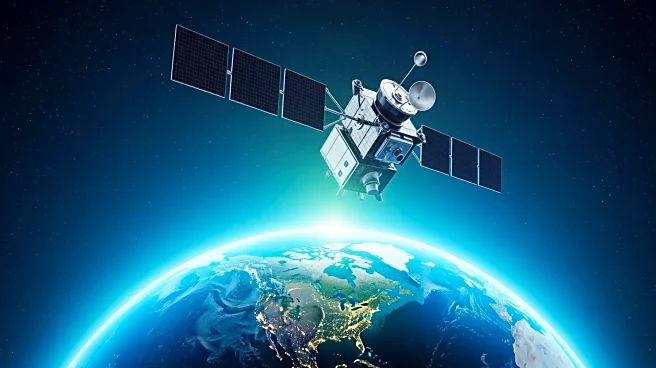
The Atmospheric Science Branch at NASA’s Ames Research Center is conducting advanced research to enhance understanding of Earth's atmosphere, focusing on its structure, composition, and dynamic behavior. This research is crucial for understanding climate
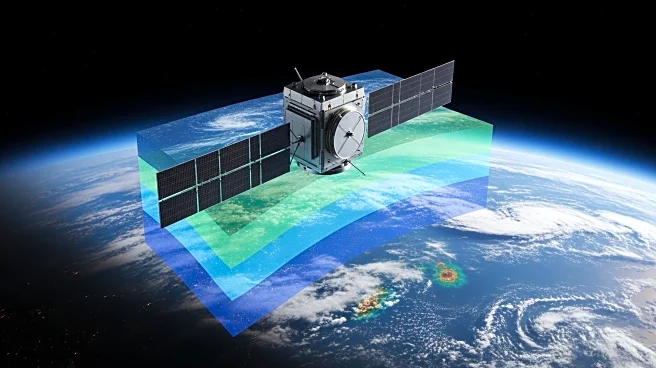
change, air quality, and agricultural water use. The branch supports NASA missions through scientific analysis, calibration, and validation activities, with a particular emphasis on atmospheric profiling, boundary layer dynamics, cloud-aerosol interactions, and trace gas transport. The branch is also pioneering next-generation lidar systems and quantum-enhanced remote sensing technologies, which are essential for future Earth and planetary exploration.
Why It's Important?
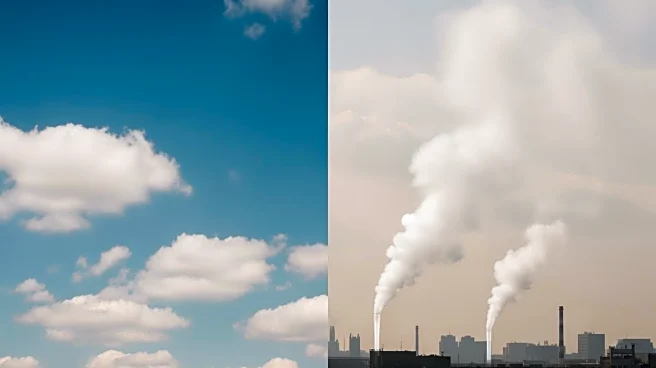
NASA's research in atmospheric science is vital for addressing global challenges related to climate change and air quality. By advancing the understanding of atmospheric processes, NASA contributes to the development of strategies for climate resilience and air quality management. The innovations in remote sensing technologies not only enhance scientific missions but also have practical applications in monitoring and responding to environmental issues such as wildfires. This research supports NASA's broader exploration goals and provides critical data that can inform public policy and environmental management strategies.
What's Next?
The Atmospheric Science Branch will continue to lead major airborne science campaigns and develop novel sensors for future satellite missions. These efforts will enhance NASA's ability to monitor Earth's atmosphere and contribute to the global understanding of climate dynamics. As the branch advances its research and technology development, it will play a key role in supporting NASA's Science Directorate's exploration goals. The ongoing work will likely lead to new insights and capabilities in atmospheric science, benefiting both scientific communities and policymakers.