




What's Happening?
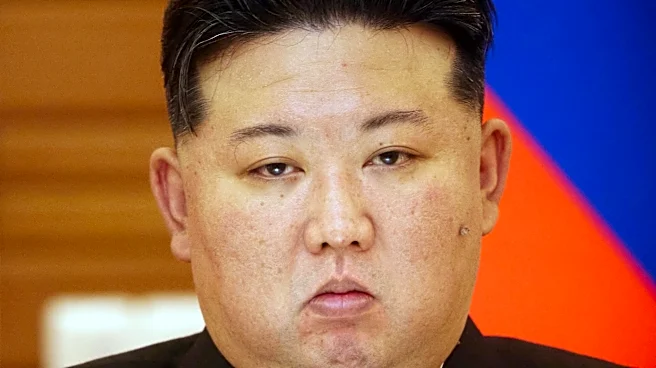
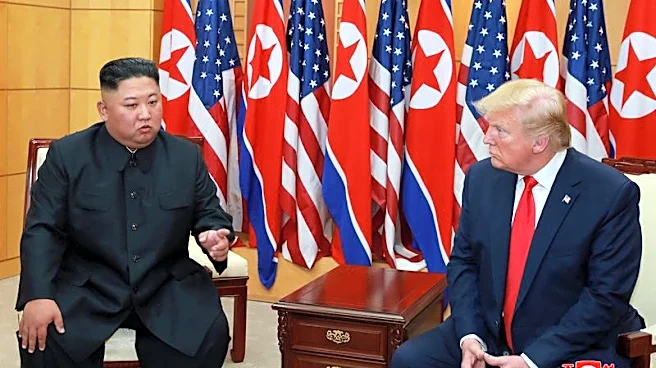
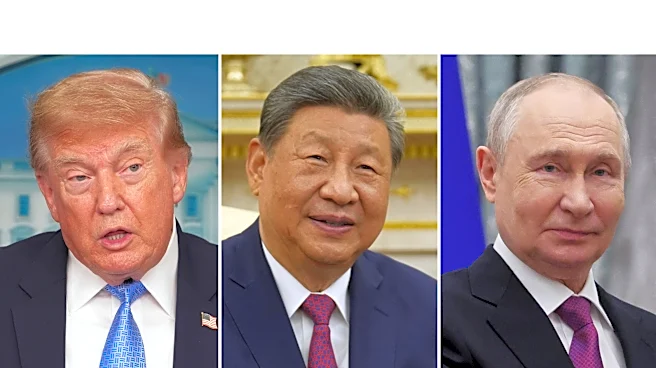
A new book, "Axis of Aggressors: Countering the Cooperation of China, Russia, Iran & North Korea," by experts from the Foundation for Defence of Democracies (FDD), highlights the increasing cooperation among China, Russia, Iran, and North Korea as the primary
threat to Western security. Authors Bradley L. Bowman, Elaine K. Dezenski, and Rear Admiral (Ret) Mark Montgomery argue that this collaboration has intensified in the 2020s, with each authoritarian regime exploiting perceived American weaknesses. The book details how these nations are working more closely across various domains, including developing an alternative global economy with new financial architectures to challenge Western systems. They are also providing mutual security support, engaging in joint naval exercises, sharing intelligence, and collaborating on cyberspace and technological innovations. This cooperation, though informal, is described as a web of opportunistic relationships driven by necessity, particularly in the exchange of energy and weapons.
Why It's Important?
The growing cooperation among these four powers poses significant challenges to U.S. interests and global stability. The emergence of an 'Axis-driven financial architecture' could undermine the dominance of Western-led financial systems, potentially weakening the effectiveness of U.S. sanctions and economic statecraft. Increased security cooperation, including intelligence sharing and joint military exercises, could enhance the capabilities of these adversarial nations, making them more formidable opponents in potential conflicts. Their collaboration in cyberspace and technology could lead to more sophisticated cyberattacks and information operations against the U.S. and its allies, as well as accelerate their technological advancements. This unified front creates complex grand strategic dilemmas for Washington, increasing the likelihood of sustained or simultaneous aggression across multiple regions, including Europe, the Middle East, and the Indo-Pacific, thereby threatening American allies and partners.
What's Next?
The authors of "Axis of Aggressors" propose a series of policy recommendations for the U.S. to confront this emerging axis. These include utilizing economic statecraft tools to isolate these powers from one another, preventing sanctions evasion, and strengthening allied supply chains. Additionally, they urge the U.S. to develop effective responses to the technological and military advancements enabled by this cooperation. While the implementation of these proposals by Congress or the executive branch remains uncertain, the book emphasizes the need for a proactive American strategy to counter these threats. Policymakers will likely face increasing pressure to address the multifaceted challenges posed by this growing alignment, potentially leading to shifts in U.S. foreign policy, defense spending, and diplomatic engagements aimed at disrupting these partnerships and bolstering alliances.
Beyond the Headlines
The informal yet deepening cooperation among China, Russia, Iran, and North Korea signifies a fundamental shift in global power dynamics, moving beyond traditional bilateral rivalries to a more interconnected challenge to the existing world order. This alignment, driven by a shared antagonism towards Western liberal democracies, suggests a long-term ideological struggle rather than mere geopolitical maneuvering. The book implies that understanding the ideological underpinnings of these regimes' critiques of American freedom is crucial for Western strategists. This 'Axis of Aggressors' represents a revolutionary force aiming to overturn the post-Cold War global order, necessitating a comprehensive U.S. strategy that goes beyond tactical responses to address the broader ideological and systemic threats. The development of an alternative global economy and security framework by these nations could lead to a more fragmented and multipolar world, with profound implications for international law, trade, and security norms.