





What's Happening?
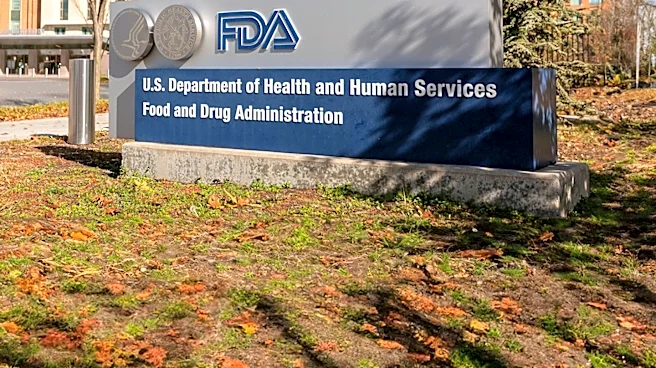
The Food and Drug Administration (FDA) is facing criticism for its lack of transparency in foodborne illness outbreak investigations, particularly concerning a recent E. coli O157:H7 outbreak linked to ready-to-eat multi-ingredient chicken wraps. Thirty-eight
people have fallen ill, but neither the FDA nor the USDA has disclosed the brand or location of the wraps. The agencies stated the wraps were "proactively removed" from the market before the outbreak link was confirmed and are now past their shelf life, thus avoiding a formal recall and the public disclosure of company names or store lists. This practice is being challenged through two citizen petitions aimed at amending FDA regulations. The first petition argues that the identity of a company implicated in an outbreak is not confidential commercial information and should be publicly disclosed. The second petition seeks to mandate the publication of store lists for Class I food recalls and to classify any removal of an outbreak-implicated food as a recall, regardless of how the company labels it. Critics argue that the FDA's current approach, which often withholds company names and store locations if a product is past its shelf life or "proactively removed," leaves consumers and health departments without crucial information.
Why It's Important?
The FDA's current disclosure practices have significant implications for public health and consumer safety. By not naming companies or providing store lists during outbreaks, even when products are no longer on shelves, the agency prevents individuals from knowing if they were exposed and hinders health departments from conducting thorough investigations. This lack of transparency can delay medical treatment for affected individuals, as knowing the source can inform clinical decisions. Furthermore, it undermines public trust in food safety regulatory bodies. When specific brands or locations are not identified, consumers may lose confidence in entire product categories, negatively impacting innocent businesses. The current system also allows companies to avoid the public scrutiny and accountability that comes with a formal recall, potentially disincentivizing robust internal food safety measures. The citizen petitions aim to close these perceived loopholes, advocating for greater transparency and a more proactive approach to public information during foodborne illness outbreaks.
What's Next?
The citizen petitions submitted to the FDA will require a formal response from the agency, which could lead to a reevaluation of its disclosure policies regarding foodborne outbreaks. If the petitions are successful, the FDA may be compelled to amend its regulations to mandate the public disclosure of company names and store lists, even for products that have been "proactively removed" or are past their shelf life. This would align FDA practices more closely with those of the USDA for meat and poultry recalls. The ongoing E. coli outbreak linked to chicken wraps will continue to be investigated, with agencies focusing on identifying the contaminated ingredient and whether it was used in other products. Public health advocates and consumer groups will likely maintain pressure on the FDA to adopt more transparent policies. The outcome of these petitions could set a new precedent for how foodborne illness outbreaks are communicated to the public, potentially leading to a more informed and safer food supply chain.
Beyond the Headlines
This issue delves into the fundamental tension between corporate confidentiality and the public's right to know, particularly when public health is at stake. The FDA's current stance, treating company identities as confidential commercial information unless a recall is issued, reflects a legal and regulatory framework that may prioritize business interests over immediate public safety. This approach can create a moral hazard, where companies might opt for quiet product removals rather than official recalls to avoid negative publicity. The debate also highlights the need for a harmonized approach across federal agencies like the FDA and USDA, as inconsistencies can lead to confusion and gaps in public protection. Ultimately, the push for greater transparency is not just about naming names; it's about empowering consumers with information to make informed decisions, enabling health officials to act swiftly, and fostering a culture of accountability within the food industry to prevent future outbreaks. The resolution of these petitions could signify a shift towards a more consumer-centric approach in food safety regulation.