






What's Happening?
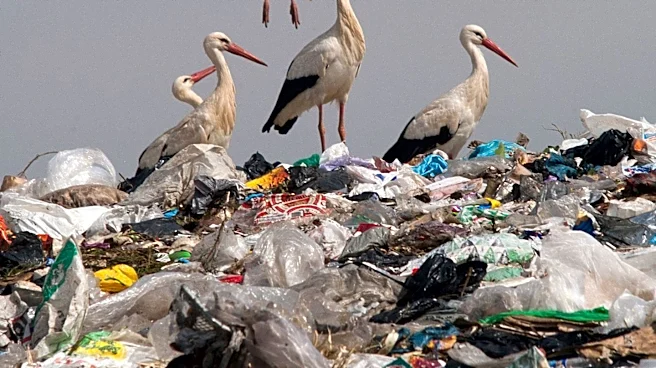
Microplastics (MPs) and antibiotic resistance genes (ARGs) are widely coexisting and interacting in landfills, creating a novel form of composite pollution. This interaction is a growing concern, as landfills serve as significant reservoirs for both microplastics
and antibiotic-resistant bacteria. The presence of microplastics in these environments can facilitate the spread and persistence of ARGs, which are genetic elements that enable bacteria to resist the effects of antibiotics. Studies have shown that hospital sewage, a common input to landfills, is a hotspot for multidrug-resistant bacteria, exhibiting high resistance rates to common antibiotics like Augmentin, Ampicillin, and Chloramphenicol. The complex environment of landfills, with their diverse microbial communities and chemical compositions, provides conditions conducive to the exchange of genetic material, including ARGs, between bacteria. This phenomenon is exacerbated by factors such as the excessive use of broad-spectrum antibiotics, inappropriate dosages, and improper disposal, all of which contribute to the selection and proliferation of resistant strains.
Why It's Important?
The formation of composite pollution by microplastics and antibiotic resistance genes in landfills poses a significant public health and environmental threat. Landfills are not isolated systems; leachate from these sites can contaminate surrounding soil and groundwater, potentially spreading ARGs into the wider environment and ultimately into human and animal populations. The transfer of ARGs from environmental bacteria to human pathogens could lead to the emergence of new, untreatable infections, making common medical procedures and treatments less effective or even impossible. This issue is particularly critical in the U.S., where antibiotic resistance is already a major concern, contributing to increased healthcare costs, prolonged hospital stays, and higher mortality rates. The interaction between microplastics and ARGs could accelerate the evolution and dissemination of 'superbugs,' undermining decades of progress in antibiotic development and public health initiatives. Furthermore, the long-term environmental impact of this composite pollution on ecosystems and biodiversity is not yet fully understood but is likely to be substantial.
What's Next?
Addressing the composite pollution of microplastics and antibiotic resistance genes in landfills will require a multi-faceted approach. Immediate actions should include improving waste management practices, particularly for hospital and pharmaceutical waste, to prevent the entry of resistant bacteria and antibiotics into landfills. Enhanced monitoring and surveillance programs are needed to track the prevalence and spread of ARGs in landfill environments and their surrounding ecosystems. Research efforts should focus on understanding the precise mechanisms by which microplastics facilitate ARG transfer and persistence, as well as developing innovative technologies for treating landfill leachate to remove both microplastics and ARGs. Policy interventions may include stricter regulations on antibiotic use in human and animal health, promoting the development of new microbiome-sparing antibiotics, and implementing public awareness campaigns about responsible antibiotic disposal. International collaboration will also be crucial, as antibiotic resistance is a global challenge that transcends national borders.
Beyond the Headlines
The convergence of microplastic pollution and antibiotic resistance highlights a deeper systemic challenge related to modern industrial and healthcare practices. The ubiquity of plastics in consumer goods and their slow degradation rates mean that microplastics will persist in the environment for centuries, providing long-term platforms for microbial colonization and genetic exchange. This issue underscores the interconnectedness of environmental health and human health, demonstrating how seemingly disparate problems can combine to create novel and complex threats. The ethical implications extend to future generations, who will inherit an environment potentially saturated with antibiotic-resistant microorganisms, making even minor infections life-threatening. Culturally, there is a need for a shift towards more sustainable consumption patterns and a greater appreciation for the 'One Health' concept, which recognizes that the health of humans, animals, and the environment are inextricably linked. This composite pollution serves as a stark reminder of the unintended consequences of technological advancement without adequate consideration for environmental impact.