






What's Happening?
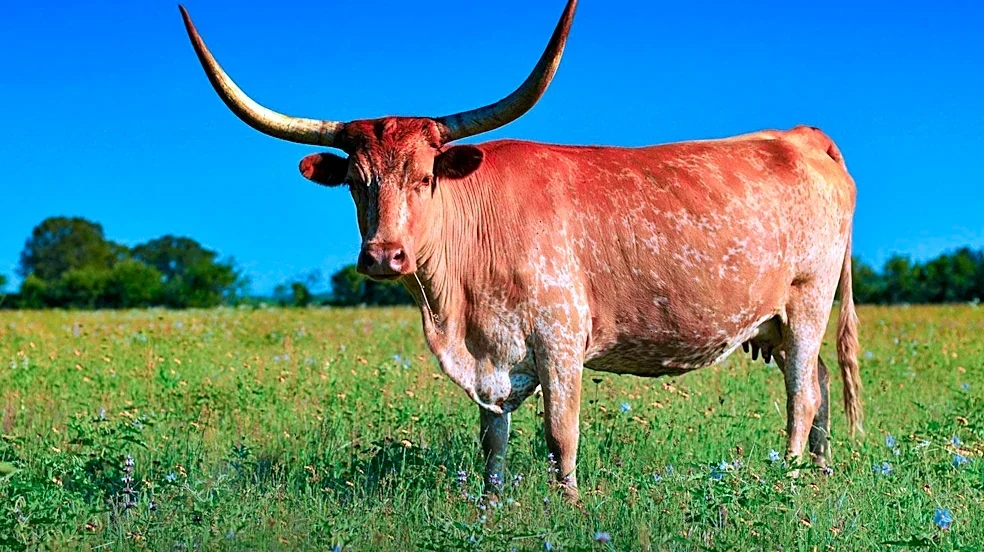
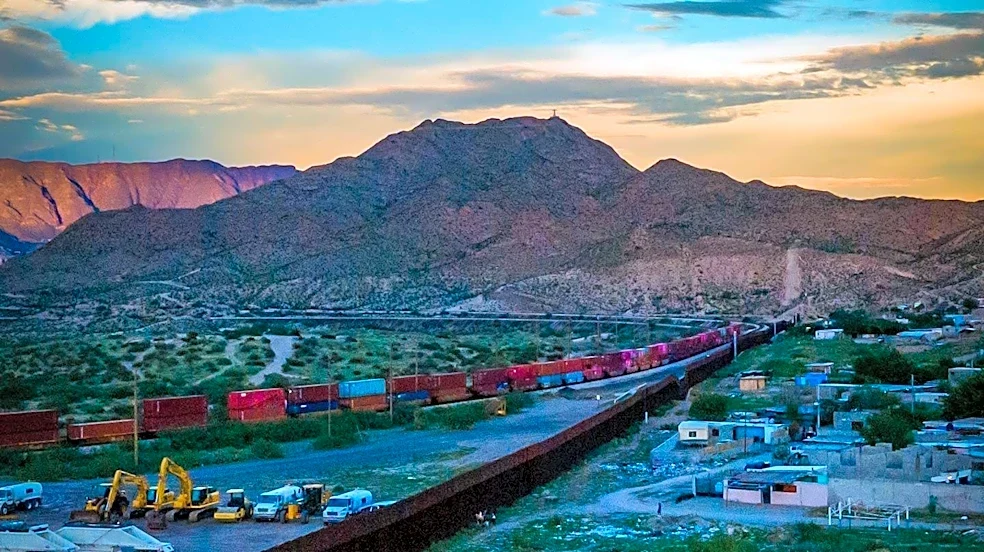
Texas cattle producers are on high alert due to the continued threat of New World screwworm, with a recent case detected 31 miles south of the U.S. border in the Mexican state of Coahuila. While no confirmed cases have been reported in the U.S., the proximity
has prompted significant concern within the industry. Zane Herrin, division feedlot manager for a large Texas operation southwest of Amarillo, noted that producers are surprised the pest hasn't yet appeared in Texas but are preparing for its potential arrival. The National Cattlemen’s Beef Association (NCBA) CEO Colin Woodall stated that the industry is well-prepared, having spent over a year and a half developing tools, securing emergency-use product approvals, and establishing infrastructure. This includes a sterile insect technology facility under construction in South Texas and a new distribution facility already operational for sterile flies from Panama. Additional sterile flies are expected from a Mexican facility in July. The situation is compounded by the southern border closure to live cattle imports from Mexico, which is negatively impacting feedlots.
Why It's Important?
The potential introduction of New World screwworm into Texas poses a significant economic threat to the U.S. cattle industry. Screwworms infest livestock, causing severe damage and potential death, leading to substantial financial losses for producers through treatment costs, reduced productivity, and animal mortality. The industry's preparedness, including the deployment of sterile insect technology, is crucial for rapid response and containment, which could prevent widespread outbreaks and mitigate economic devastation. The ongoing border closure to live cattle imports from Mexico further complicates the situation for feedlots, as it restricts their access to stocker calves, impacting their business models and profitability. This dual challenge of disease threat and market disruption creates a precarious environment for Texas cattle producers, highlighting the interconnectedness of animal health, trade policies, and economic stability in the agricultural sector.
What's Next?
Texas cattle producers will continue to monitor the situation closely, with many operations, like Herrin's, having emergency response plans ready for implementation if New World screwworm is confirmed within their herds. The National Cattlemen’s Beef Association anticipates additional sterile flies from a Mexican facility by July, which will bolster the sterile insect technology efforts along the border. The effectiveness of these preventative measures, combined with EPA and FDA-approved products for pest management, will be critical in determining the extent of any potential outbreak. The industry will also be watching for any changes in the southern border closure policy regarding live cattle imports from Mexico, as its continuation or modification will significantly impact feedlot operations and the broader cattle market. Coordinated efforts between U.S. and Mexican authorities will be essential for effective cross-border pest management.
Beyond the Headlines
The ongoing threat of New World screwworm underscores the broader challenges of transboundary animal diseases and their potential to disrupt agricultural economies. This situation highlights the critical role of international cooperation and advanced biotechnological solutions, such as sterile insect technology, in safeguarding national livestock industries. The economic impact extends beyond direct losses from infestations, affecting market confidence, trade relationships, and the overall supply chain for beef. Furthermore, the reliance on sterile fly distribution from facilities in Panama and Mexico emphasizes the global nature of pest control efforts and the need for robust international partnerships. The current scenario also brings to light the vulnerabilities of agricultural businesses to both biological threats and geopolitical factors like border policies, necessitating comprehensive risk management strategies that account for a wide array of potential disruptions.