







What's Happening?
Researchers from North Carolina State University (NC State) and East Carolina University (ECU) are partnering with SAS to implement a pilot project aimed at enhancing flood resilience for farmers in Eastern North Carolina. The initiative involves deploying
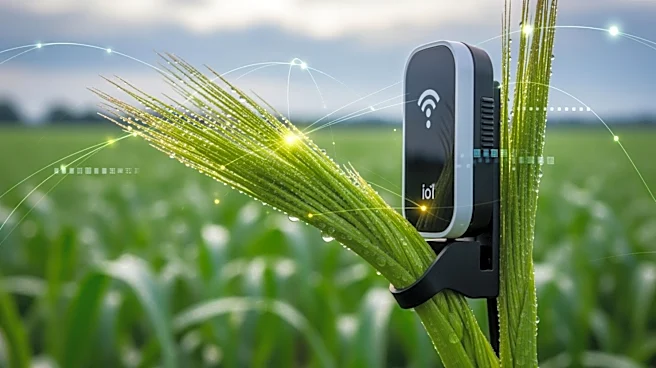
affordable sensors to measure water depth, soil moisture, and salinity in real-time. This data will be integrated into a model powered by SAS Analytics for IoT, providing farmers with insights to protect crops, equipment, and livestock from flooding and soil salinity issues. The project was inspired by a presentation at the 2025 SAS Innovate conference and is being piloted in Hyde County, NC, where local conditions make it an ideal testing ground.
Why It's Important?
The collaboration addresses significant challenges faced by farmers in Eastern North Carolina, including flooding and increased soil salinity, which threaten agricultural productivity. By providing timely data, the project aims to help farmers make informed decisions to safeguard their livelihoods. The initiative is crucial for the agricultural sector, which contributes $111 billion annually to North Carolina's economy. The use of IoT sensors and real-time analytics represents a significant advancement in agricultural technology, offering a scalable solution to mitigate risks associated with climate change and extreme weather events.
What's Next?
As the pilot project progresses, there are plans to expand the deployment of sensors to other counties, enhancing flood resilience across the region. The initiative may lead to broader adoption of IoT technologies in agriculture, potentially influencing policy and investment in rural infrastructure. Stakeholders, including government agencies and agricultural cooperatives, are likely to monitor the project's outcomes closely, considering its implications for sustainable farming practices and economic stability in the face of environmental challenges.