






What's Happening?
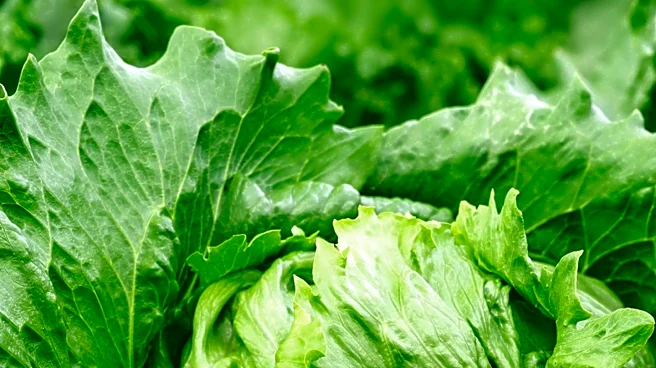
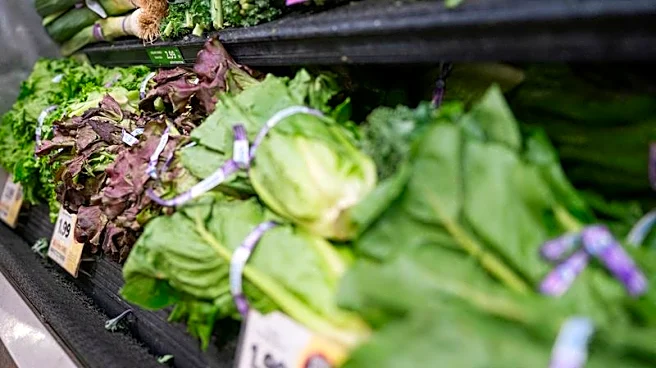
The CDC has linked a Cyclospora outbreak to contaminated lettuce from Taylor Farms, affecting nine states and causing nearly 2,000 cases. The outbreak highlights challenges in tracking foodborne illnesses, as many cases go unreported. The FDA initially
identified Cyclospora in lettuce but later retracted the statement, complicating the investigation. The outbreak raises questions about the role of climate change in increasing the risk of such incidents, as warmer temperatures and water management issues can facilitate the spread of the parasite.
Why It's Important?
This outbreak underscores the intersection of climate change and food safety, as changing weather patterns can exacerbate the spread of foodborne pathogens. The situation highlights the need for robust food safety protocols and better water management practices to prevent contamination. The outbreak also points to potential gaps in regulatory oversight and the need for improved public health communication to manage and mitigate such incidents effectively. The economic impact on the agricultural sector and public health systems could be significant if outbreaks become more frequent.
Beyond the Headlines
The outbreak raises broader questions about the sustainability of current agricultural practices and the need for systemic changes to address climate-related risks. It also highlights the importance of international cooperation in food safety, as global supply chains can contribute to the spread of pathogens. The situation calls for increased investment in research and technology to enhance food safety and public health resilience in the face of climate change.