




What's Happening?
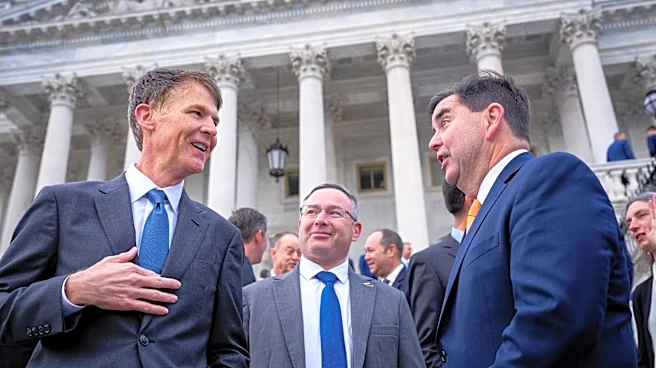
On November 11, the U.S. House of Representatives passed two bills aimed at supporting small businesses. The first, the Cybersecurity for Small Businesses Act, introduced by Rep. Tony Wied (R-WI), mandates the Small Business Administration (SBA) to provide
guidance on cybersecurity best practices. This guidance will be developed in consultation with the Cybersecurity and Infrastructure Security Agency (CISA) and the National Institute for Standards and Technology (NIST). The bill also requires the SBA to coordinate with the Department of Defense (DoD) to offer cybersecurity guidance for small businesses seeking federal contracts, particularly those involved with the Pentagon’s Cybersecurity Maturity Model Certification (CMMC) program. The second bill, the Combatting Foreign Threats to Main Street Act, introduced by Reps. Roger Williams (R-TX) and Derek Tran (D-CA), directs the SBA to create educational materials for small businesses on mitigating threats from foreign adversaries. These materials will detail the nature of foreign adversary conduct, provide cybersecurity and data protection guidance, and inform businesses about risks associated with foreign investment and commercial relationships involving foreign-controlled entities. The SBA will also be required to annually review and update these educational resources.
Why It's Important?
These legislative actions are crucial for bolstering the resilience of American small businesses against evolving cyber threats and foreign economic espionage. Small businesses, often lacking the resources of larger corporations, are particularly vulnerable to cyberattacks, which can lead to significant financial losses and operational disruptions. By providing structured guidance and coordinating with federal cybersecurity agencies, the Cybersecurity for Small Businesses Act aims to equip these businesses with the necessary tools to protect their data and operations. Furthermore, the emphasis on the Pentagon’s CMMC program highlights the importance of cybersecurity compliance for small businesses that are part of the federal supply chain, ensuring national security interests are protected. The Combatting Foreign Threats to Main Street Act addresses the growing concern over foreign adversaries targeting American innovation and intellectual property. By educating small businesses on these risks, the legislation seeks to safeguard critical economic sectors and prevent the erosion of competitive advantages, ultimately protecting American jobs and economic stability.
What's Next?
Following their passage in the House, both bills will now move to the Senate for consideration. While the Cybersecurity for Small Businesses Act passed with bipartisan support, there is no companion bill in the Senate currently. If passed by the Senate and signed into law, the SBA will be tasked with implementing the provisions, including developing and disseminating cybersecurity guidance and educational materials. The Cybersecurity for Small Businesses Act requires the SBA to submit an initial report to Congress within 90 days on the number of small businesses seeking cybersecurity assistance, followed by annual reports. The Combatting Foreign Threats to Main Street Act mandates annual reviews and updates of its educational resources starting October 1, 2027, to ensure they remain relevant to emerging threats and best practices. The successful implementation of these bills could lead to a more secure and informed small business sector, better prepared to navigate the complexities of the digital landscape and global economic competition.
Beyond the Headlines
The passage of these bills reflects a broader recognition within the U.S. government of the critical role small businesses play in the national economy and security, and the increasing sophistication of threats they face. Beyond the immediate benefits of enhanced cybersecurity and threat awareness, these initiatives could foster a more robust and secure supply chain for federal contracts, particularly for the Department of Defense. The focus on mitigating foreign threats also underscores a strategic shift towards protecting American intellectual property and technological advantages from state-sponsored industrial espionage. This legislative push could set a precedent for future policies aimed at strengthening the economic security of 'Main Street' businesses, potentially leading to more comprehensive programs that integrate cybersecurity and foreign threat mitigation into standard business practices. It also highlights the ongoing challenge of balancing economic openness with national security concerns in an interconnected global economy.